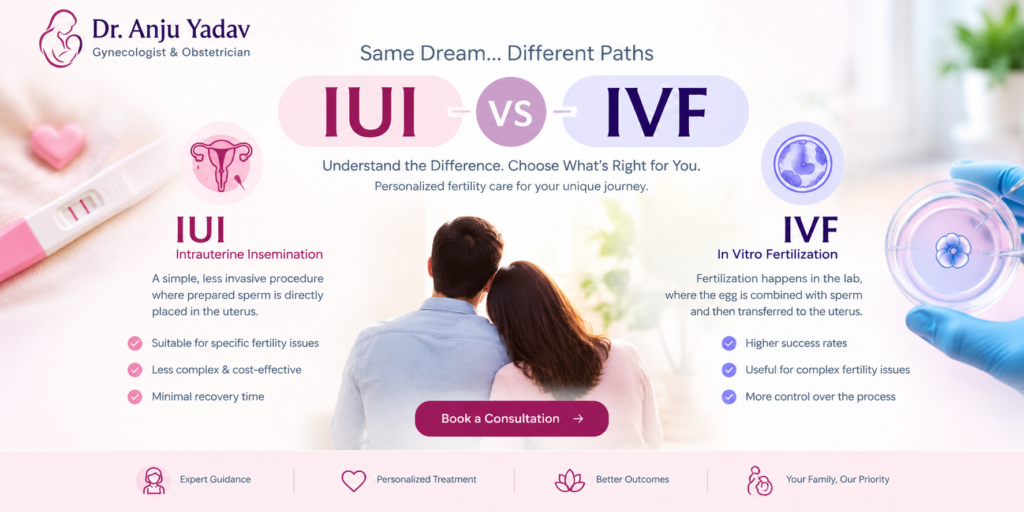

In vitro fertilization (IVF) is an assisted reproductive treatment in which an egg and sperm are combined in a laboratory to create an embryo, which is then transferred to the uterus. Many couples hope that their first IVF cycle will result in pregnancy, but there is no guaranteed method to make IVF successful on the first attempt.
However, certain medical choices, healthy lifestyle habits, and careful following of the treatment plan can help maximize the chances of IVF success. Factors such as age, egg and sperm quality, embryo health, uterine condition, and the expertise of the fertility clinic also play an important role.
How to Make IVF Successful the First Time?
There is no guaranteed way to make IVF successful on the first attempt, but healthy lifestyle habits, good egg and sperm health, appropriate medical care, and following the treatment plan carefully can help create better conditions for success.
1. Choose the Right IVF Clinic and Get a Complete Fertility Evaluation
Choosing an experienced IVF clinic and undergoing a detailed fertility evaluation can help doctors develop a treatment plan based on your individual needs.
- Choose an experienced clinic: Look for experienced fertility specialists, modern IVF laboratories, and personalised treatment plans.
- Check success rates: Ask how the clinic reports its IVF success rates and whether the figures apply to your age group and treatment type.
- Assess ovarian reserve: Tests such as AMH and antral follicle count may help evaluate ovarian reserve.
- Check sperm health: A semen analysis can assess sperm count, movement, and shape.
- Evaluate the uterus: Ultrasound and other tests may be recommended to check the uterus and uterine lining.
- Identify underlying conditions: Any condition that may affect fertility should be evaluated and treated when appropriate.
2. Improve Egg and Sperm Health Through a Healthy Lifestyle
Egg and sperm health can influence embryo development, so both partners should focus on healthy habits before and during IVF treatment In Gurgaon.
- Eat a balanced diet: Include vegetables, fruits, whole grains, pulses, nuts, seeds, lean proteins, and healthy fats.
- Choose nutrient-rich foods: A Mediterranean-style eating pattern that focuses on whole foods can support overall health.
- Maintain a healthy weight: Being significantly underweight or overweight may affect hormonal and reproductive health.
- Quit smoking: Smoking can negatively affect reproductive health and may affect egg and sperm quality.
- Avoid recreational drugs: These can interfere with reproductive health and should be avoided.
- Avoid excessive alcohol: Follow your fertility specialist’s advice regarding alcohol during treatment.
- Take supplements only when advised: Folic acid and other supplements may be recommended based on individual needs or deficiencies.
3. Follow IVF Medicines and Medical Instructions Carefully
Following your fertility specialist’s instructions accurately is one of the most important things you can control during an IVF cycle.
- Take medicines on time: Follow the prescribed schedule for fertility injections and other medicines.
- Follow the correct dosage: Never increase, reduce, or stop medicines on your own.
- Take the trigger injection at the right time: Timing is important because egg retrieval is planned around the trigger shot.
- Attend monitoring appointments: Ultrasound scans and blood tests help doctors monitor follicle development and hormone levels.
- Report problems quickly: Tell your clinic if you miss a dose, experience unusual symptoms, or have concerns about your medicines.
- Follow post-transfer medication instructions: Continue medicines such as progesterone exactly as prescribed.
4. Discuss Embryo Quality, Genetic Testing and Transfer Timing
The quality of the embryo and the condition of the uterus are important considerations when planning embryo transfer.
- Discuss embryo development: Your embryology team can explain how embryos are developing.
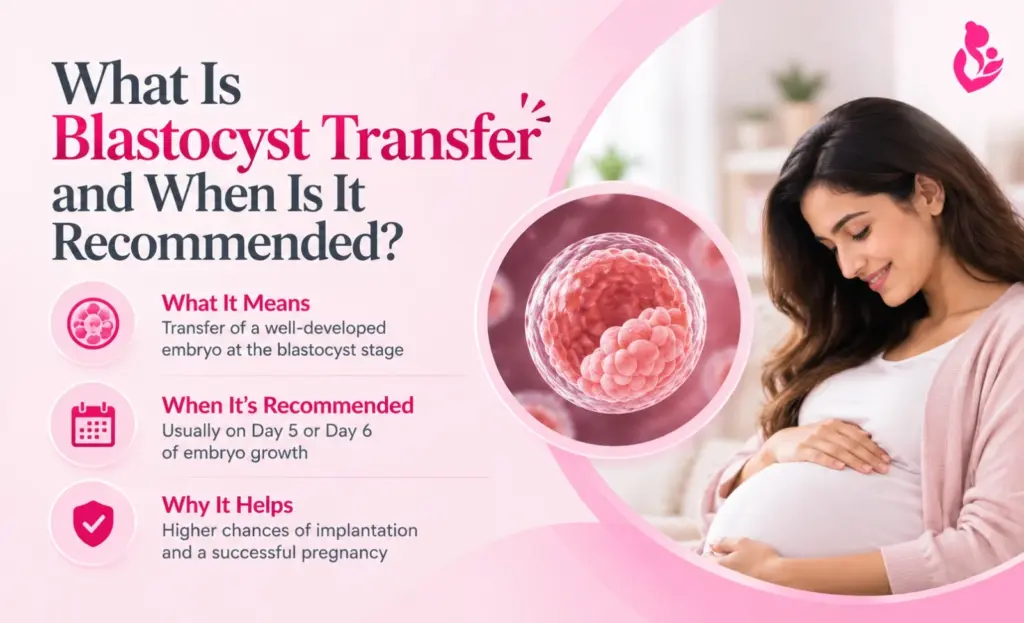
- Consider blastocyst transfer: In suitable cases, embryos may be cultured for several days before transfer.
- Ask about PGT: Preimplantation genetic testing may be considered for some patients to identify certain chromosomal abnormalities.
- Understand fresh and frozen transfer: Your doctor may recommend one based on hormone levels, uterine lining, embryo development, and your individual circumstances.
- Check the uterine lining: Ultrasound may be used to assess whether the endometrium is suitable for transfer.
- Follow the recommended timing: The timing of progesterone and embryo transfer should be followed carefully.
- Remember that PGT is not for everyone: Your specialist can explain its potential benefits, limitations, and suitability for your case.
5. Maintain Physical Activity, Rest and Good Sleep
A healthy balance between gentle activity and adequate rest can support overall well-being during IVF.
- Stay gently active: Walking and other light activities can usually be continued if your doctor approves.
- Avoid strenuous exercise: High-intensity workouts may need to be reduced during ovarian stimulation and around embryo transfer.
- Avoid heavy lifting: Follow your clinic’s specific advice about physical activity.
- Get adequate sleep: Maintain a regular sleep schedule and aim for sufficient nighttime rest.
- Do not assume complete bed rest is necessary: Routine bed rest after embryo transfer has not been shown to improve outcomes.
- Listen to your body: Rest when you feel tired, particularly after procedures.
6. Manage Stress and Take Care of Your Emotional Health
IVF can be emotionally challenging, especially during the waiting period after embryo transfer. Managing stress can improve overall well-being, although reducing stress cannot guarantee IVF success.
- Practice meditation: Relaxation and breathing exercises may help manage anxiety.
- Try gentle yoga: If approved by your doctor, light yoga can support relaxation.
- Go for short walks: Gentle movement can help you stay active and relaxed.
- Talk to your partner: Sharing concerns can reduce emotional pressure.
- Seek counselling when needed: Professional support can be useful when IVF becomes emotionally difficult.
- Avoid self-blame: IVF outcomes depend on several biological factors that cannot always be controlled.
7. Follow Proper Care After Embryo Transfer
The period after embryo transfer is important, but patients generally do not need to remain completely inactive. Follow the specific instructions provided by your fertility clinic.
- Continue prescribed medicines: Do not stop progesterone or other medicines unless instructed by your doctor.
- Continue light daily activities: Normal gentle movement is generally acceptable unless your doctor advises otherwise.
- Avoid strenuous exercise: Follow your clinic’s recommendations regarding workouts and heavy physical activity.
- Avoid smoking and recreational drugs.
- Follow advice about alcohol and sexual activity.
- Do not take new medicines or supplements without medical advice.
- Take the pregnancy test on the recommended date: Testing too early may cause confusion and unnecessary anxiety.
- Contact your clinic if you experience concerning symptoms or are unsure about any post-transfer instruction.
How to Make IVF Successful the First Time? FAQs
Q. Can IVF be successful on the first attempt?
Yes, IVF can be successful on the first attempt, but there is no guarantee. Success depends on factors such as age, egg and sperm quality, embryo quality, uterine health, and the underlying cause of infertility.
Q. What can I do to increase my chances of IVF success?
You can improve your chances by maintaining a healthy lifestyle, eating a balanced diet, avoiding smoking and recreational drugs, limiting alcohol, maintaining a healthy weight, and following your fertility specialist’s instructions carefully.
Q. Does diet improve IVF success?
A balanced and nutritious diet can support overall health and reproductive health, but no particular food can guarantee IVF success. Focus on vegetables, fruits, whole grains, pulses, lean proteins, nuts, seeds, and healthy fats.
Q. Should I exercise during IVF treatment?
Light activities such as walking are generally suitable for many people, but strenuous exercise and heavy lifting may need to be avoided during certain stages of treatment. Always follow your fertility specialist’s advice.
Q. Can stress cause IVF to fail?
Stress alone does not mean that IVF will fail. However, IVF can be emotionally demanding, so activities such as meditation, gentle yoga, walking, breathing exercises, and counselling may help improve emotional well-being.
Q. Is bed rest necessary after embryo transfer?
Routine complete bed rest is generally not required after embryo transfer. Light normal activities are usually acceptable unless your doctor gives different instructions. Avoid strenuous activities if advised by your fertility clinic.