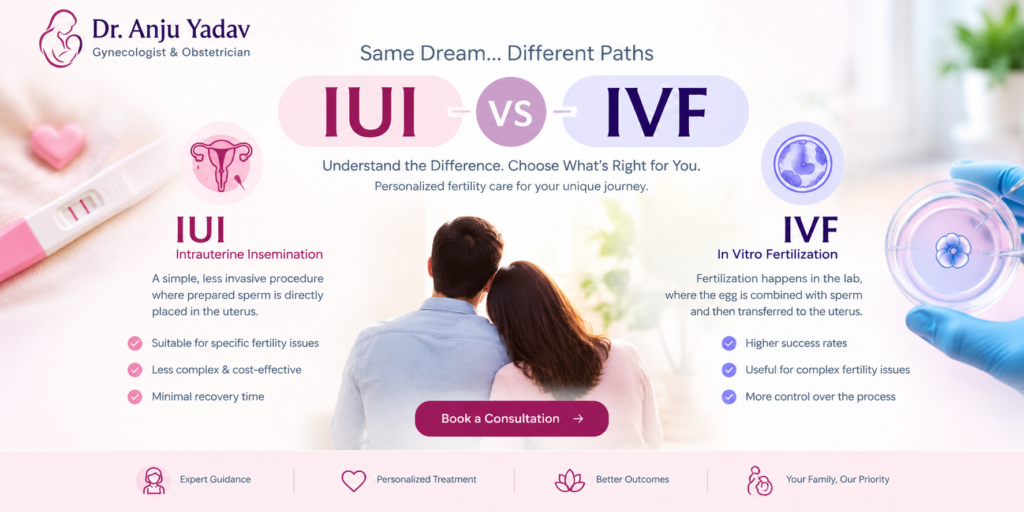

In vitro fertilization (IVF) is an assisted reproductive treatment in which an egg and sperm are combined in a laboratory to create an embryo. The embryo is then transferred into the uterus with the aim of achieving pregnancy.
The success rate of IVF varies from person to person and depends on several factors, particularly the age of the woman, egg and sperm quality, embryo quality, uterine health and the quality of the IVF laboratory. On average, IVF may have a success rate of around 50% to 55% per cycle for women under 35, while the chances generally decrease with age.
It is important to understand that IVF success rates are averages and do not guarantee that a particular IVF cycle will result in pregnancy or a live birth.
IVF Success Rate by Age
Age is one of the most important factors affecting IVF outcomes. Younger women generally have healthier and more viable eggs, which can increase the chances of creating good-quality embryos.
| Age Group | Approximate IVF Success Rate per Cycle |
| Under 35 years | 50%–55% |
| 35–37 years | 35%–45% |
| 38–40 years | 20%–35% |
| 41–42 years | 10%–20% |
| Over 42 years | Less than 5%–10% using own eggs |
These figures are approximate and may differ depending on the clinic, treatment method and individual fertility factors.
Why Does IVF Success Rate Decrease With Age?
As women grow older, the number and quality of eggs generally decline. This can make fertilisation, embryo development and successful implantation more difficult.
The risk of chromosomal abnormalities in eggs also increases with age. As a result, older women may have fewer embryos suitable for transfer and a lower chance of pregnancy using their own eggs.
However, age is not the only factor that determines IVF success. Some older women may have successful IVF treatment, while younger women may also require several attempts.
What Factors Affect IVF Success Rate?
IVF success depends on several factors, including age, egg and sperm quality, embryo health, uterine condition, and the quality of the IVF laboratory and treatment.
- Age: IVF success generally decreases as age increases, mainly due to changes in egg quality.
- Egg Quality: Healthy, good-quality eggs are more likely to fertilise and develop into viable embryos.
- Sperm Quality: Sperm count, motility, and morphology can affect fertilisation and embryo development.
- Embryo Quality: Good-quality embryos generally have a better chance of successful implantation.
- Uterine Health: A healthy uterus and suitable endometrial lining can support embryo implantation.
- IVF Laboratory Standards: Advanced equipment and experienced embryologists can help maintain egg, sperm, and embryo quality.
- Ovarian Reserve: The number of available eggs can influence how many eggs are retrieved and how many embryos can be developed.
- Previous IVF History: Results from earlier cycles can help doctors understand fertility challenges and modify future treatment.
Does IVF Success Increase With Multiple Cycles?
The chance of having a successful outcome can increase when treatment is attempted over multiple cycles. This is known as the cumulative success rate.
For example, according to the figures provided, women under 35 may have a cumulative chance of around 70%–80% after three IVF attempts. This does not mean that every woman will achieve pregnancy within three cycles, as individual outcomes can vary considerably.
Multiple cycles may provide additional opportunities to retrieve eggs, create embryos and perform embryo transfers.
IVF Success Rate With Donor Eggs
For some women, particularly those with reduced ovarian reserve or poor egg quality, donor eggs may be an option.
Donor eggs are generally obtained from younger women, so treatment using donor eggs can provide higher success rates for some older patients. The figures provided suggest that success rates with donor eggs can reach around 60%–70% in some circumstances.
The actual success rate depends on factors such as donor characteristics, embryo quality, uterine health and the fertility clinic.
Does Embryo Quality Affect IVF Success?
Yes. Embryo quality is an important factor in IVF outcomes. After fertilisation, embryologists observe embryo development and assess their characteristics.
A healthy-looking embryo may have a better chance of successful implantation, although embryo appearance alone cannot guarantee that implantation or pregnancy will occur.
How Many IVF Cycles May Be Needed?
There is no fixed number of IVF cycles that will work for everyone. Some people achieve pregnancy after one cycle, while others may require multiple attempts.
Doctors generally consider factors such as age, ovarian reserve, previous IVF results, embryo quality and overall reproductive health when deciding whether another cycle may be appropriate.
Is IVF Success Guaranteed?
No. Even with a good-quality embryo and favourable conditions, IVF cannot guarantee pregnancy or a live birth.
A reported success rate represents a statistical probability, not a promise for an individual patient. A fertility specialist can provide a more personalised assessment after evaluating the patient’s medical and reproductive history.
IVF Success Rate FAQs
Q. What is the average success rate of IVF?
The average IVF success rate is approximately 50%–55% per cycle for women under 35 based on the figures provided. The rate generally decreases with age.
Q. Is IVF 100% successful?
No. IVF is not 100% successful. The outcome depends on several factors, including age, egg and sperm quality, embryo quality and uterine health.
Q. What is the IVF success rate after three attempts?
For women under 35, the cumulative success rate after three attempts may reach around 70%–80%, according to the figures provided. Individual results can be different.
Q. Does age affect IVF success?
Yes. Age is one of the strongest factors affecting IVF success, mainly because egg quantity and quality generally decline with age.
Is IVF successful after the age of 40?
IVF can be successful after 40, but success rates using a woman’s own eggs are generally lower than in younger age groups. Donor eggs may be considered in some cases.