
IVF- ICSI
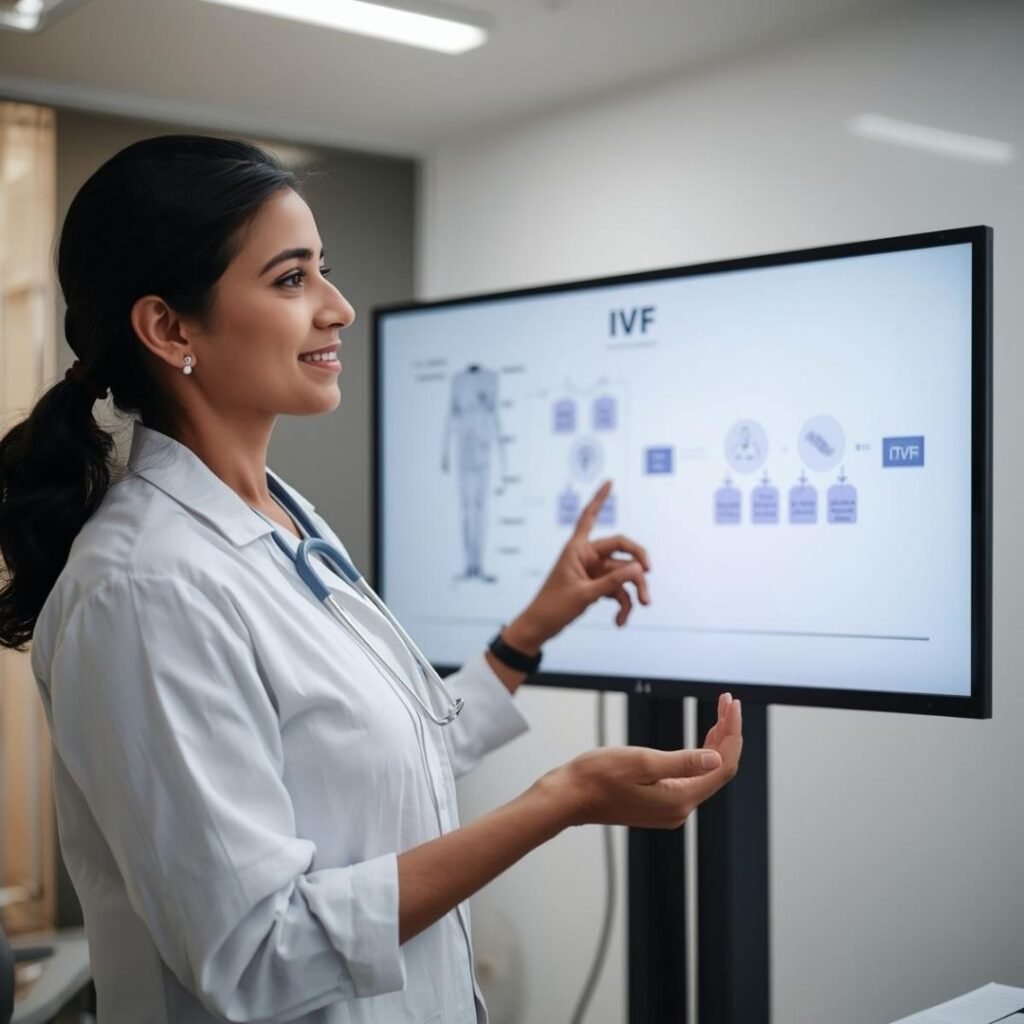
In vitro fertilization is a medical technique in which a woman’s eggs are retrieved from her ovaries, fertilised with sperm in an external lab dish, the resulting embryos are cultured for 3-5 days and then one or more healthy embryos are transferred into the uterus to achieve pregnancy. Intracytoplasmic sperm injection (ICSI) is a specialised form of IVF treatment. It involves injecting live sperm into an egg through an artificial process. After fertilization, it forms an embryo. ICSI is most frequently used by medical professionals when a patient’s ability to conceive is impacted by male infertility.
With the help of IVF treatment in India, numerous families have achieved their dream of becoming parents. If you are facing challenges in conceiving a child, do not lose hope. Reach out to Dr. Anju Yadav for personalized fertility services!
What is IVF?
In vitro fertilization (IVF) is a type of fertility treatment that fuses sperm and eggs to form an embryo through scientific methods. This procedure of handling eggs and sperm to achieve pregnancy is known as Assisted Reproductive Technology (ART).
During IVF, the eggs and sperm of the couple or gametes from a donor are used to create embryos. Embryos are then implanted in the uterus of a female partner or surrogate (if medically indicated).
What Does Intracytoplasmic Sperm Injection Means?
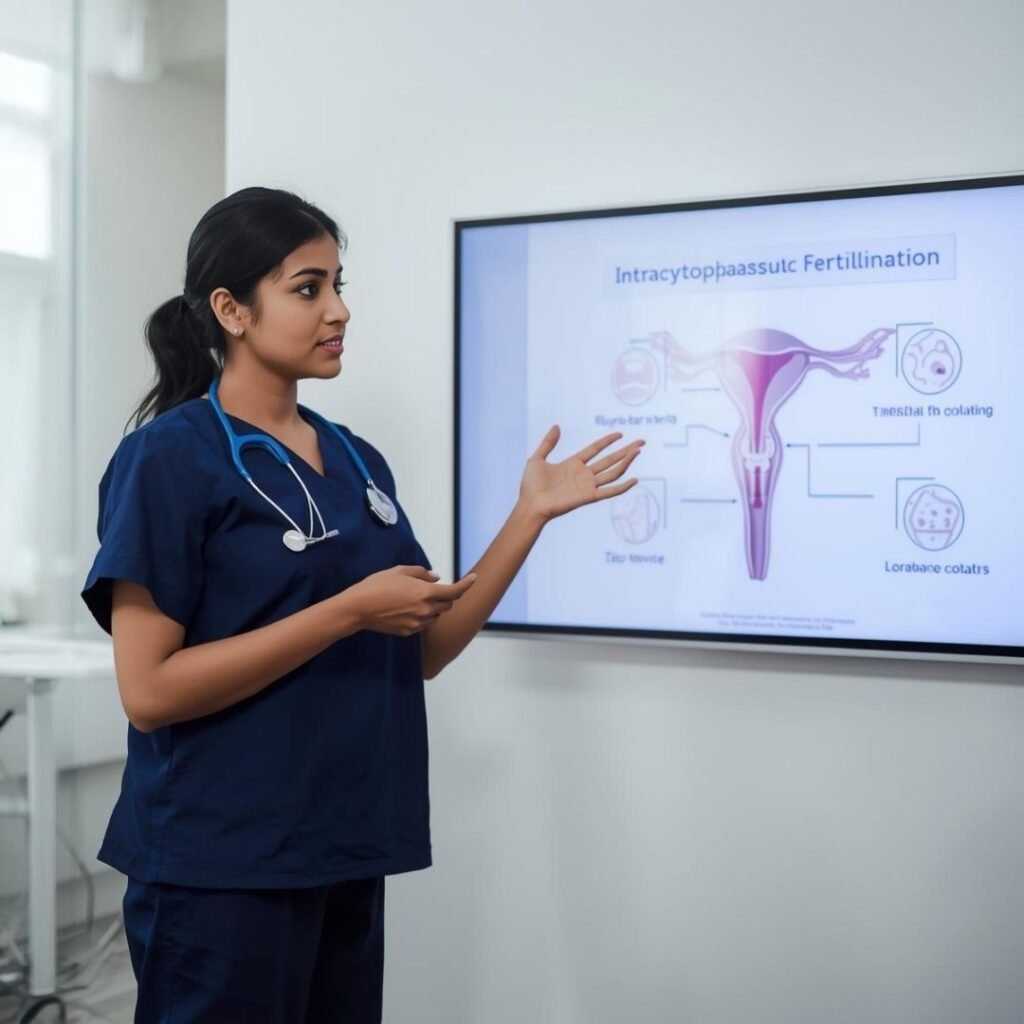
Intracytoplasmic Sperm Injection (ICSI) is a specialised form of In Vitro Fertilisation (IVF) which is used to treat severe male factor infertility. ICSI is typically recommended when there is a low sperm count, a high number of sperm with aberrant shapes, decreased sperm count, no sperm in a semen analysis, or after an unsuccessful vasectomy reversal. It is also recommended for couples who have a history of multiple IVF failures or no fertilization.
How is ICSI Different from IVF?
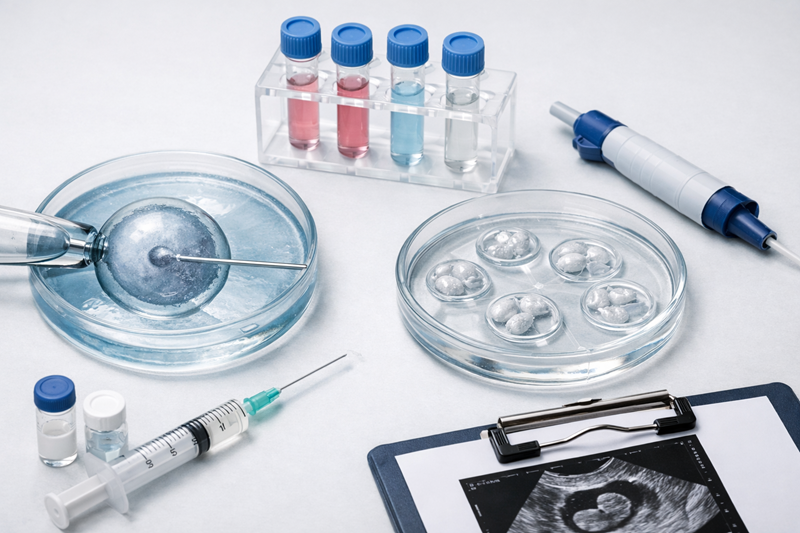
The key difference between ICSI and IVF is how sperm and eggs are fertilized. ICSI involves injecting a single mature egg with a single sperm for fertilization. In conventional IVF, a plate containing the eggs is filled with many sperm. To allow the sperm to naturally penetrate the egg, the sperm and eggs are kept together for a while. Couples who have trouble conceiving because of male factors or who have not had success with traditional IVF are advised to consider ICSI.

For Whom is ICSI Recommended?
- Sperm with an unusual shape.
- Slow movement of sperm.
- Low sperm count
- A blockage that stops sperm release, like a vasectomy.
- In cases of Azoospermia where sperms are directly extracted from testes
What are the Steps Involved in IVF Treatment?

Ovarian Stimulation
Follicular Monitoring
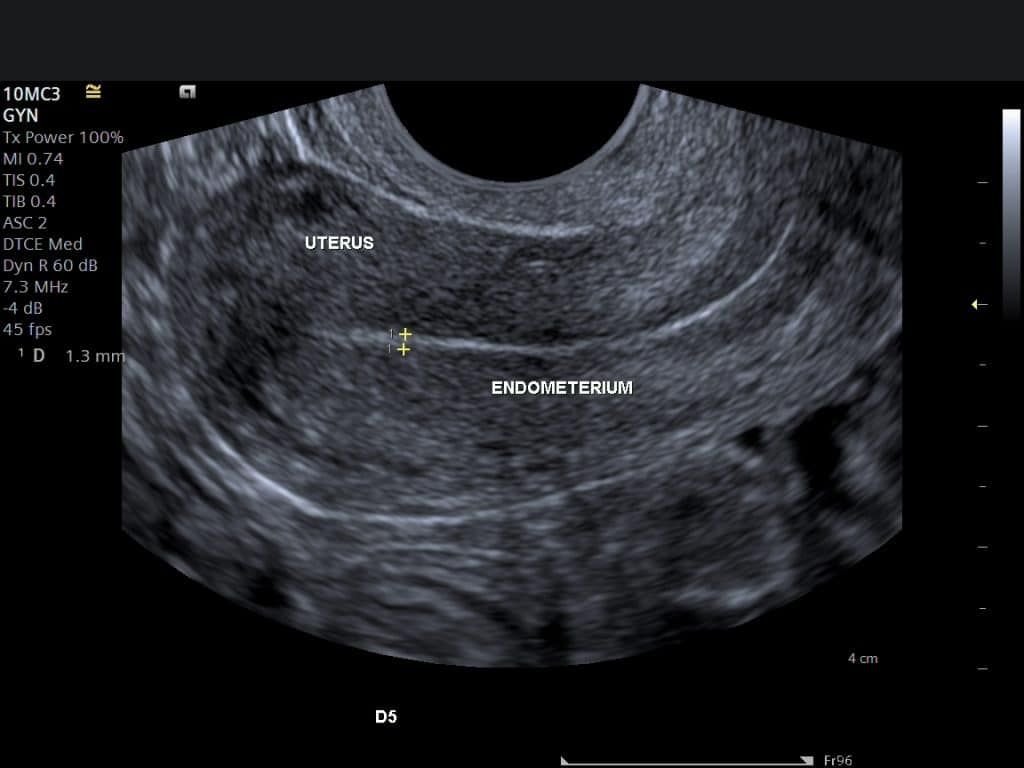
During stimulation, regular monitoring is done through blood tests and transvaginal ultrasounds.
This helps the doctor:
- Track the growth of ovarian follicles (which contain the eggs)
- Monitor hormone levels
- Decide the correct timing for egg retrieval
Careful monitoring ensures optimal results and reduces complications.
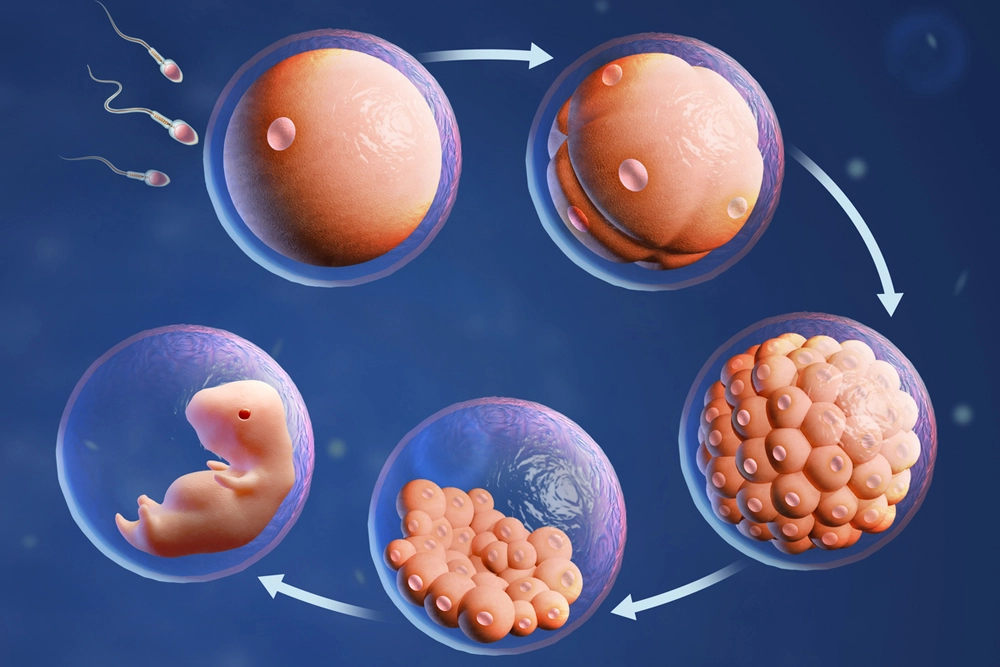
Egg Collection (Ovum Pick-Up)
Once the follicles reach the right size, a minor procedure is performed to collect the eggs from the ovaries.
- The procedure is usually done under mild anaesthesia
- A thin needle guided by ultrasound is used to retrieve the eggs
It is a short and safe procedure, and most patients go home the same day
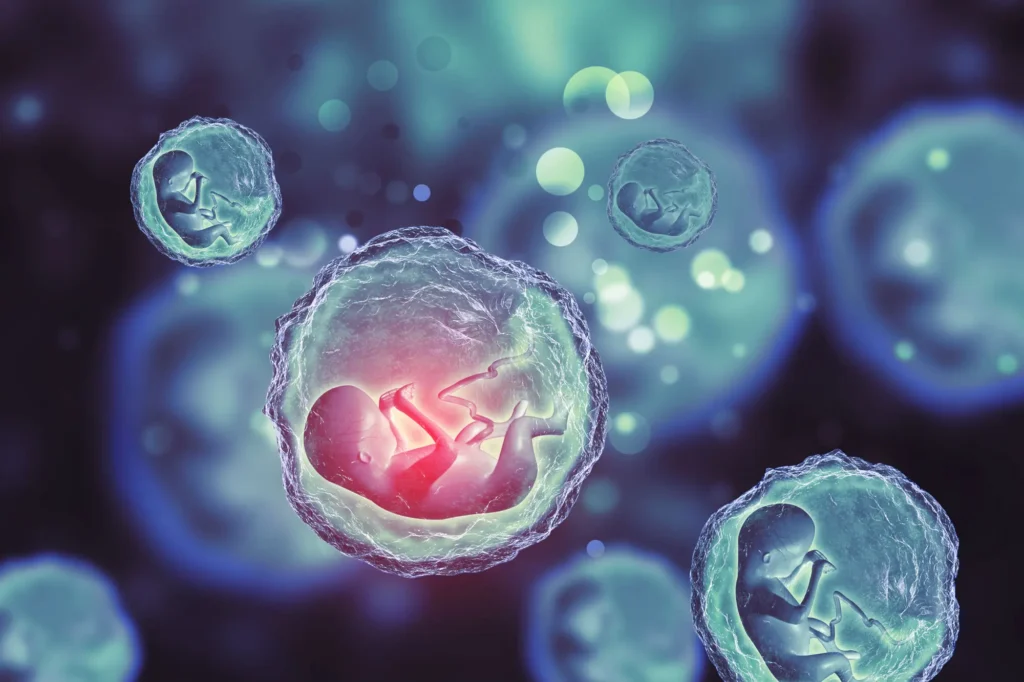
Embryo Culture
After egg retrieval, the eggs are fertilised with sperm in the laboratory.
- The healthiest sperm are selected
- Fertilisation takes place in a controlled environment
- The resulting embryos are carefully monitored for 3–5 days
Only healthy, well-developed embryos are chosen for transfer.
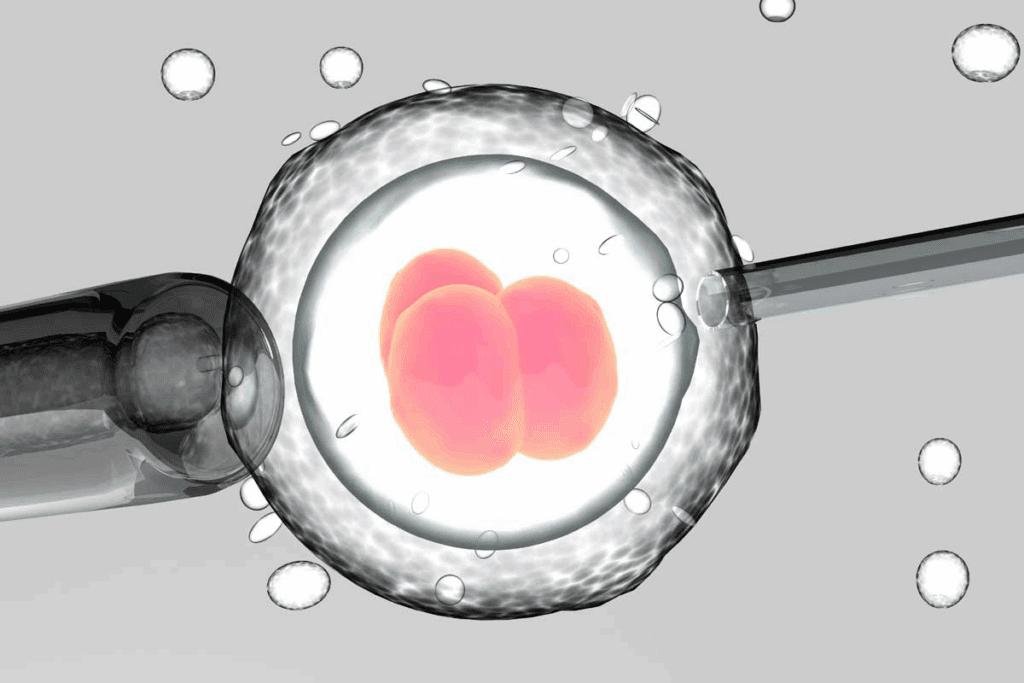
Embryo Transfer
In this final step, the selected embryo is gently placed into the uterus.
- This is a simple and painless procedure
- No anaesthesia is usually required
- The embryo is placed at the ideal location to support implantation
After the transfer, a pregnancy test is done approximately two weeks later to confirm the result.
Results After IVF Procedure
During the treatment process, it might take 12 to 14 days to confirm your pregnancy. Once the embryo implantation is confirmed, doctors do a blood test (beta hCG test) to ensure a successful pregnancy. This test is done to measure pregnancy hormone levels.
If the result of first test comes positive, then the doctor will schedule the next done. The second test is done 48 hours after the first test. The ultrasound is scheduled usually a week after the second blood test.

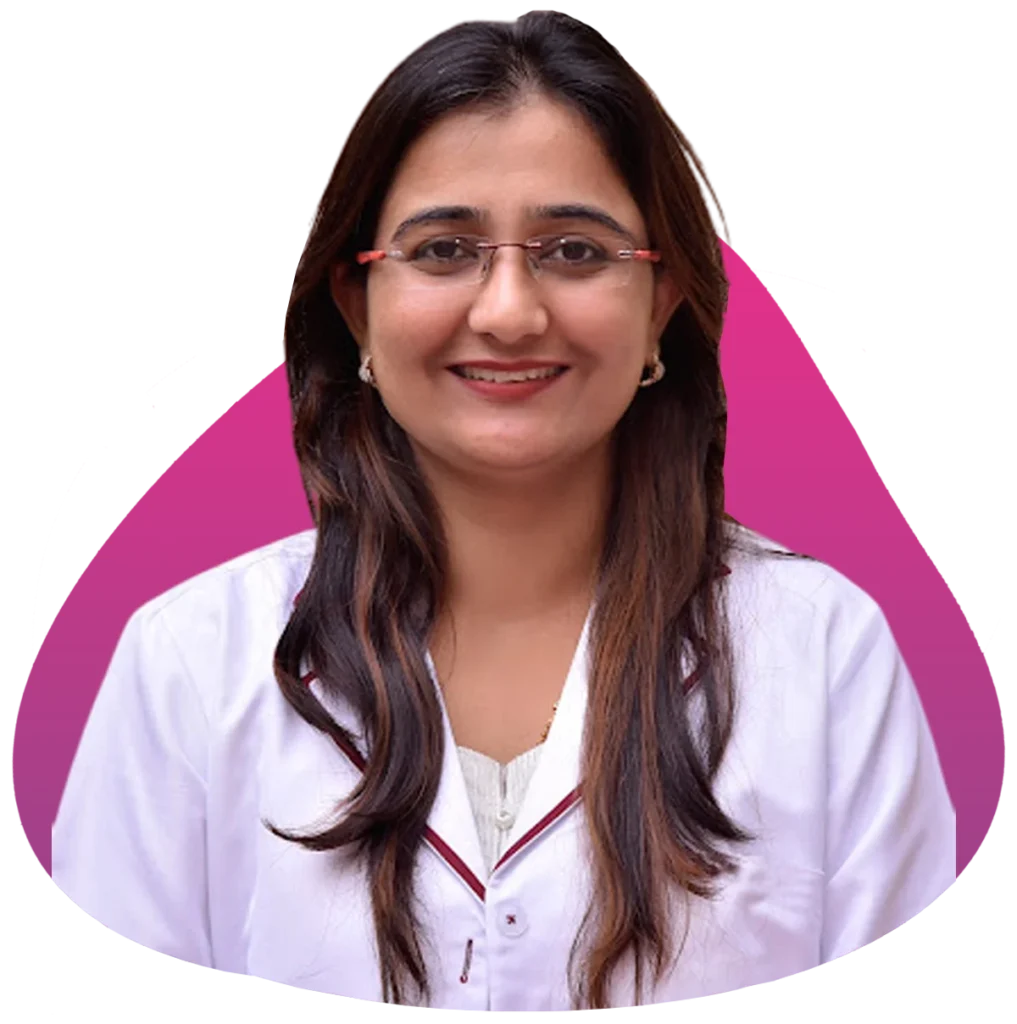
How is Dr. Anju Yadav the Best Doctor for IVF?
Dr. Anju Yadav is the top fertility specialist in Gurgaon. In addition to her proficiency in IVF, IUI, ICSI, and donor egg IVF. She is also famous as a renowned Gynecologist. She has more than 17 years of experience in the field of reproductive health. Till now, she has helped thousands of couples to achieve their dream of parenthood. She has received numerous recognitions from famous organisations for her contributions to medicine and reproductive health. Get in touch with Dr. Anju Yadav right now to fulfill your desire to have children.
EXCELLENTTrustindex verifies that the original source of the review is Google. I would like to sincerely thank Dr Anju Yadav for her outstanding care and expertise. She was extremely supportive, always available to respond, and maintained a positive approach throughout my journey. I’m grateful to have achieved results in the first attempt under her care.Posted onTrustindex verifies that the original source of the review is Google. Excellent doc, must visitPosted onTrustindex verifies that the original source of the review is Google. Dr. Anju yadav is one of the most genuine IVF doctor in gurgaon. She doesn't rush and gives you complete attention.Posted onTrustindex verifies that the original source of the review is Google. We are extremely grateful to Dr. Anju (at Cloud Nine hospital, Sector 47, Gurgaon) for guiding us through our IVF journey. Her calm, warm, and reassuring nature made us feel comfortable from day one. She patiently listened to all our queries and helped us make informed decisions at every step. We began our IVF journey in August 2023 while dealing with AMA. After an initial failed cycle and a very discouraging experience elsewhere, we returned to Dr. Anju—and that was the best decision we made. She never demotivated us, always encouraged positivity, and was almost always just a call or message away. Despite AMA being the main challenge in our journey, she never let us lose hope and never pushed us toward easier or less preferred options like donor eggs, respecting our choices throughout. With her guidance and support, we finally conceived and are now blessed with a healthy baby boy. We highly recommend Dr. Anju to anyone looking for compassionate, knowledgeable, and patient-centered IVF care. We will forever be thankful to Dr. Anju for her support and compassion. We highly recommend her to anyone seeking IVF treatment and looking for a doctor who is compassionate, knowledgeable and truly cares about her patients.Posted onTrustindex verifies that the original source of the review is Google. I had a wonderful experience with Dr. Anju. She remembers my full medical history, which makes every appointment smooth and personalised. She is incredibly polite, always available, and was consistently supportive throughout my pregnancy. Her guidance at every stage was clear, reassuring, and truly helpful. I’m very grateful for her care and highly recommend her to anyone looking for a dependable and compassionate gynaecologist.Posted onTrustindex verifies that the original source of the review is Google. Dr Anju Yadav is what dream doctors are made of. She is cordial, helpful, engaging and extremely professional. Her calm demeanour makes the journey to and of pregnancy peaceful, and stress-free. Dr Anju is very thorough and gives a patient hearing to the patient and also takes out time to educate them on what’s happening and what’s expected in future. Thank you, Dr Anju (if you’re reading this) for being an absolutely amazing doctor and above all, a great human beingPosted onTrustindex verifies that the original source of the review is Google. Dr. Anju Yadav is an absolute gem! 🙏 Her expertise and compassionate approach made all the difference in our fertility journey. We felt heard, understood, and supported throughout the process. Cloudnine hospital is top-notch, and her team's professionalism is impressive. If you're looking for a fertility specialist who truly cares, Dr. Yadav is the one! 🌟 Highly recommend!Posted onTrustindex verifies that the original source of the review is Google. Dr.Anju Yadav is a wonderful doctor, she listen carefully and give honest advice about fertility treatments, she is the most genuine doctor I have met in GurgaonPosted onTrustindex verifies that the original source of the review is Google. Dr. Anju Yadav is a very experienced gynecologist in gurgaon. She guided us from conception to delivery like family..Posted onTrustindex verifies that the original source of the review is Google. Dr. Anju yadav is the best fertility doctor in gurgaon. She helped us conceive after years of trying and supported us through every step with care and patience.
Frequently Asked Questions
How is IVF treatment done?
The IVF treatment starts with a few tests and examinations. After the diagnosis, the doctor prescribes medicines and injections. Lifestyle changes are also important for a healthy pregnancy.
How painful is the IVF process?
What is the fertility treatment cost in Gurugram?
What is the Embryo Transfer Cost?
Helpful Videos
Make An Appointment

For Immediate Assistance Please Contact
Cloudnine Care Hospital OPD
- Mon, Tue, Thu, Fri, Sat
- 9 am to 4pm
Nouveau Medics Muptispeciality Clinic
- Mon, Thu, Sat
- Wed
- 4.30pm - 7.30pm
- 9 am to 5 pm.