
Intrauterine Insemination (IUI)
An Intrauterine Insemination Procedure (IUI) is a type of fertility treatment where sperm is directly placed into a woman’s uterus for fertilization. The main objective of IUI is to boost the chances of pregnancy by increasing the number of healthy sperm that reach the fallopian tubes during the woman’s fertility period.
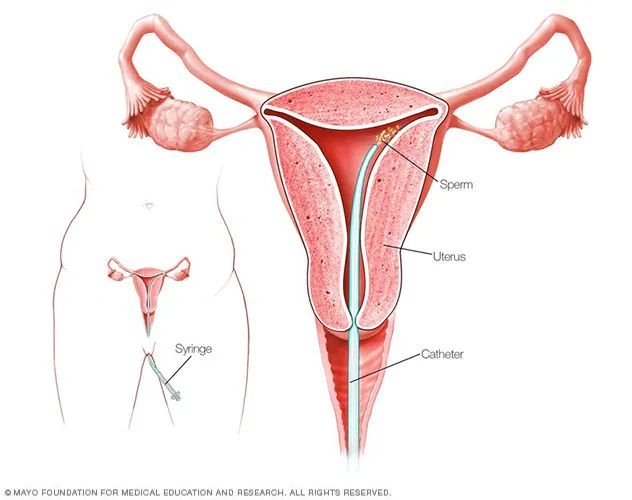
What is the Intrauterine Insemination Procedure?
Artificial insemination, or intrauterine insemination (IUI), is a common reproductive procedure used to assist individuals and couples who are having trouble becoming pregnant. It is a minimally invasive process to improve the chances of fertilisation by inserting sperm directly into the uterus during ovulation. IUI is often one of the first treatments suggested for minor reproductive difficulties or infertility that cannot be explained. IUI gives hope to many parents with its simple procedure and demonstrated efficacy.
What are the Requirements of IUI Treatment?
Before starting IUI treatment, you and your partner will need a thorough medical exam and fertility tests. This could include:
- Transvaginal ultrasound
- fallopian tube patency test
- Semen Analysis.
- Screening for infectious illnesses and sexually transmitted infections (STIs).
- Blood testing.

Procedures for IUI Treatment
The following are some of the steps involved in the IUI process:
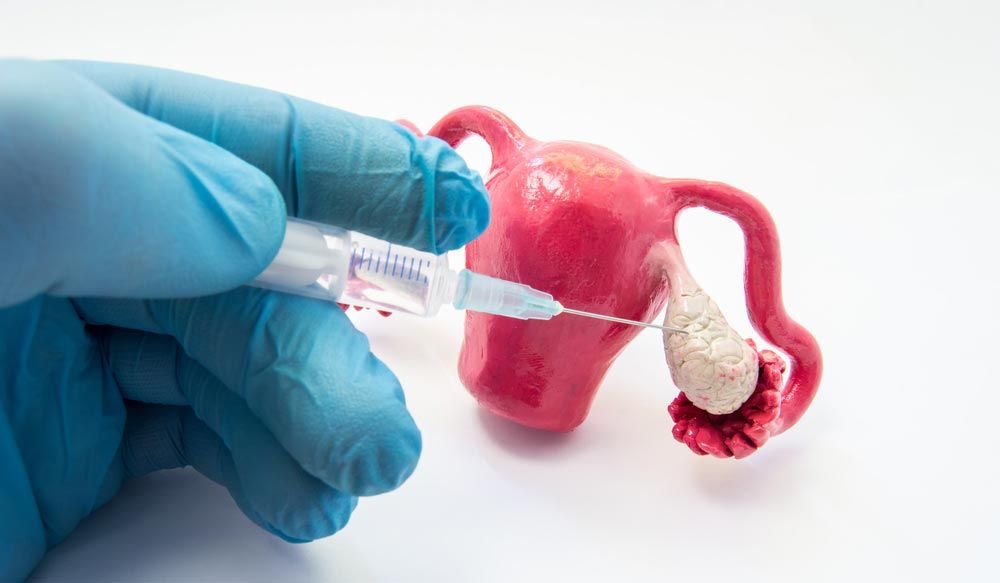
Ovarian stimulation
To boost the quantity of eggs released during ovulation, the woman is given fertility Medicines and injections.
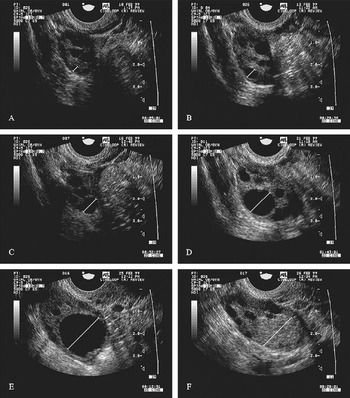
Ovulation monitoring
To ascertain the best timing for IUI, the woman’s ovulation is tracked using transvaginal ultrasound.

Sperm preparation
A procedure known as “sperm wash” is used to concentrate the high-quality sperm while eliminating dead or sluggish-moving sperm cells.
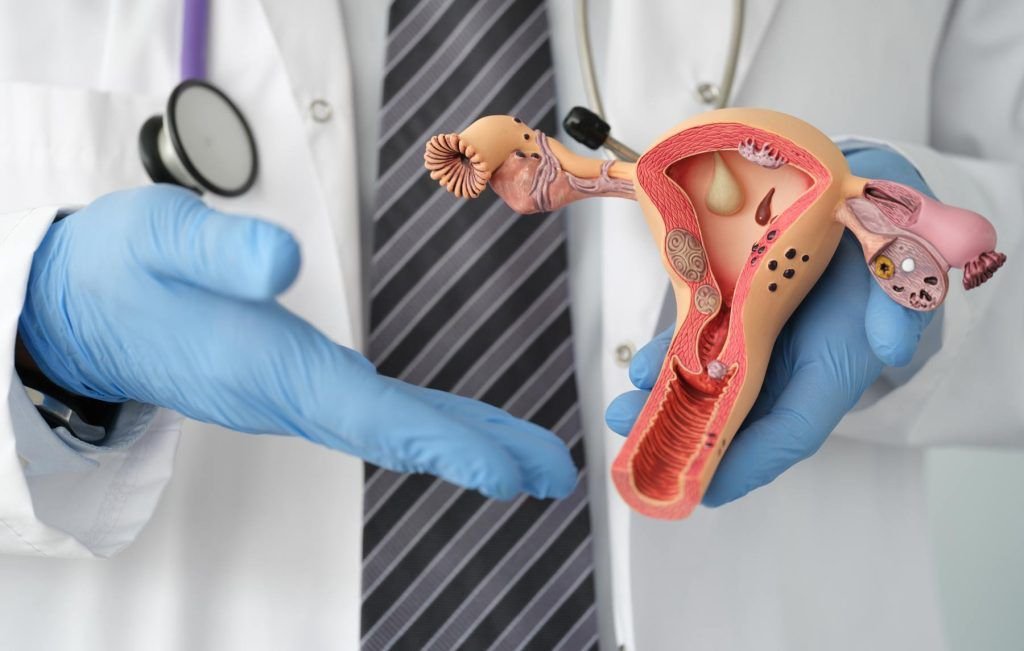
Insemination
A tiny catheter is used to inject the healthy sperm into the woman’s uterus.

Post-procedure care
Following procedure, Progesterone supplements are given to support pregnancy.
IUI is a popular option for many couples because it is a reasonably affordable reproductive procedure. Compared to other reproductive treatments like IVF, which is a more difficult and costly procedure, it is said to be less intrusive.
Does Intrauterine Insemination (IUI) Work?
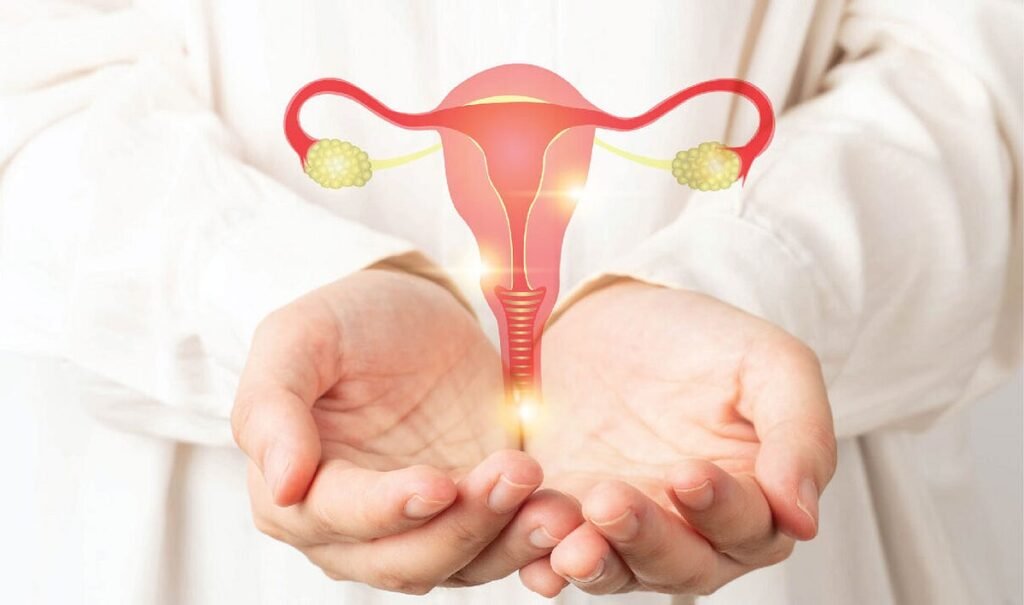
Yes, IUI works depending on the underlying cause of infertility. IUI is most effective for couples with sexual dysfunction disorders like Vaginismus / erectile dysfunction / ejaculatory dysfunction,who have unexplained infertility, couples with mild male factor infertility and couples where donor sperm is being considered. IUI won’t function effectively in some circumstances, such as endometriosis, fallopian tube problems, or significant sperm impairment. For these problems, treatments like in vitro fertilisation (IVF) might be more effective.

What are the IUI Treatment Risks and Complications?
Although IUI is a safe and secure process, there are a few risks associated with IUI:
- Mild cramps and spotting
- Sometimes the treatment results in several pregnancies.
- A rare chance of infection
For more information about the Intrauterine Insemination Procedure, contact +91 8800650611 or consult Dr. Anju Yadav for the treatment process. She is the best doctor for IUI treatment in Gurgaon.
EXCELLENTTrustindex verifies that the original source of the review is Google. I would like to sincerely thank Dr Anju Yadav for her outstanding care and expertise. She was extremely supportive, always available to respond, and maintained a positive approach throughout my journey. I’m grateful to have achieved results in the first attempt under her care.Posted onTrustindex verifies that the original source of the review is Google. Excellent doc, must visitPosted onTrustindex verifies that the original source of the review is Google. Dr. Anju yadav is one of the most genuine IVF doctor in gurgaon. She doesn't rush and gives you complete attention.Posted onTrustindex verifies that the original source of the review is Google. We are extremely grateful to Dr. Anju (at Cloud Nine hospital, Sector 47, Gurgaon) for guiding us through our IVF journey. Her calm, warm, and reassuring nature made us feel comfortable from day one. She patiently listened to all our queries and helped us make informed decisions at every step. We began our IVF journey in August 2023 while dealing with AMA. After an initial failed cycle and a very discouraging experience elsewhere, we returned to Dr. Anju—and that was the best decision we made. She never demotivated us, always encouraged positivity, and was almost always just a call or message away. Despite AMA being the main challenge in our journey, she never let us lose hope and never pushed us toward easier or less preferred options like donor eggs, respecting our choices throughout. With her guidance and support, we finally conceived and are now blessed with a healthy baby boy. We highly recommend Dr. Anju to anyone looking for compassionate, knowledgeable, and patient-centered IVF care. We will forever be thankful to Dr. Anju for her support and compassion. We highly recommend her to anyone seeking IVF treatment and looking for a doctor who is compassionate, knowledgeable and truly cares about her patients.Posted onTrustindex verifies that the original source of the review is Google. I had a wonderful experience with Dr. Anju. She remembers my full medical history, which makes every appointment smooth and personalised. She is incredibly polite, always available, and was consistently supportive throughout my pregnancy. Her guidance at every stage was clear, reassuring, and truly helpful. I’m very grateful for her care and highly recommend her to anyone looking for a dependable and compassionate gynaecologist.Posted onTrustindex verifies that the original source of the review is Google. Dr Anju Yadav is what dream doctors are made of. She is cordial, helpful, engaging and extremely professional. Her calm demeanour makes the journey to and of pregnancy peaceful, and stress-free. Dr Anju is very thorough and gives a patient hearing to the patient and also takes out time to educate them on what’s happening and what’s expected in future. Thank you, Dr Anju (if you’re reading this) for being an absolutely amazing doctor and above all, a great human beingPosted onTrustindex verifies that the original source of the review is Google. Dr. Anju Yadav is an absolute gem! 🙏 Her expertise and compassionate approach made all the difference in our fertility journey. We felt heard, understood, and supported throughout the process. Cloudnine hospital is top-notch, and her team's professionalism is impressive. If you're looking for a fertility specialist who truly cares, Dr. Yadav is the one! 🌟 Highly recommend!Posted onTrustindex verifies that the original source of the review is Google. Dr.Anju Yadav is a wonderful doctor, she listen carefully and give honest advice about fertility treatments, she is the most genuine doctor I have met in GurgaonPosted onTrustindex verifies that the original source of the review is Google. Dr. Anju Yadav is a very experienced gynecologist in gurgaon. She guided us from conception to delivery like family..Posted onTrustindex verifies that the original source of the review is Google. Dr. Anju yadav is the best fertility doctor in gurgaon. She helped us conceive after years of trying and supported us through every step with care and patience.
Frequently Asked Questions
Q. How long does the entire IUI process take?
Usually, the IUI procedure takes two to three weeks. It starts with Initial consultations and includes ovulation tracking, sperm sample preparation, and insemination.
Q. Is Intrauterine Insemination (IUI) safe for me?
Contact us and book an appointment to determine whether IUI is the right choice for you. After conducting the required testing and analysis, we will honestly evaluate your best course of action. We will support you throughout the entire course of treatment and help you make a confident decision.
Q. How long does it take to know you are pregnant after IUI?
It takes about two weeks following IUI to tell if you are pregnant. It takes time, as it is, to detect human chorionic gonadotropin (hCG) in urine or blood. The doctor will advise you if you can use an at-home urine test or if you need to come back for a blood test to find out if you are pregnant.
Q. What are the reasons for IUI failure?
Some factors, such as issues with the male partner’s sperm, the female partner’s reproductive health, and timing, might cause IUI (intrauterine insemination) to fail. Age, endometrial lining health, ovulation timing, and sperm quality can also affect the outcome of IUI.
Q. What is the purpose of IUI?
IUI is done for several reasons, such as male infertility (low sperm count, poor motility), cervical issues, infertility that cannot be explained, or to increase the chances of conception in couples who have tried naturally but failed.
Q. How often can IUI be performed?
The number of IUI cycles a couple can perform is unlimited, but before considering alternative treatment options like IVF, doctors usually advise three to four cycles.