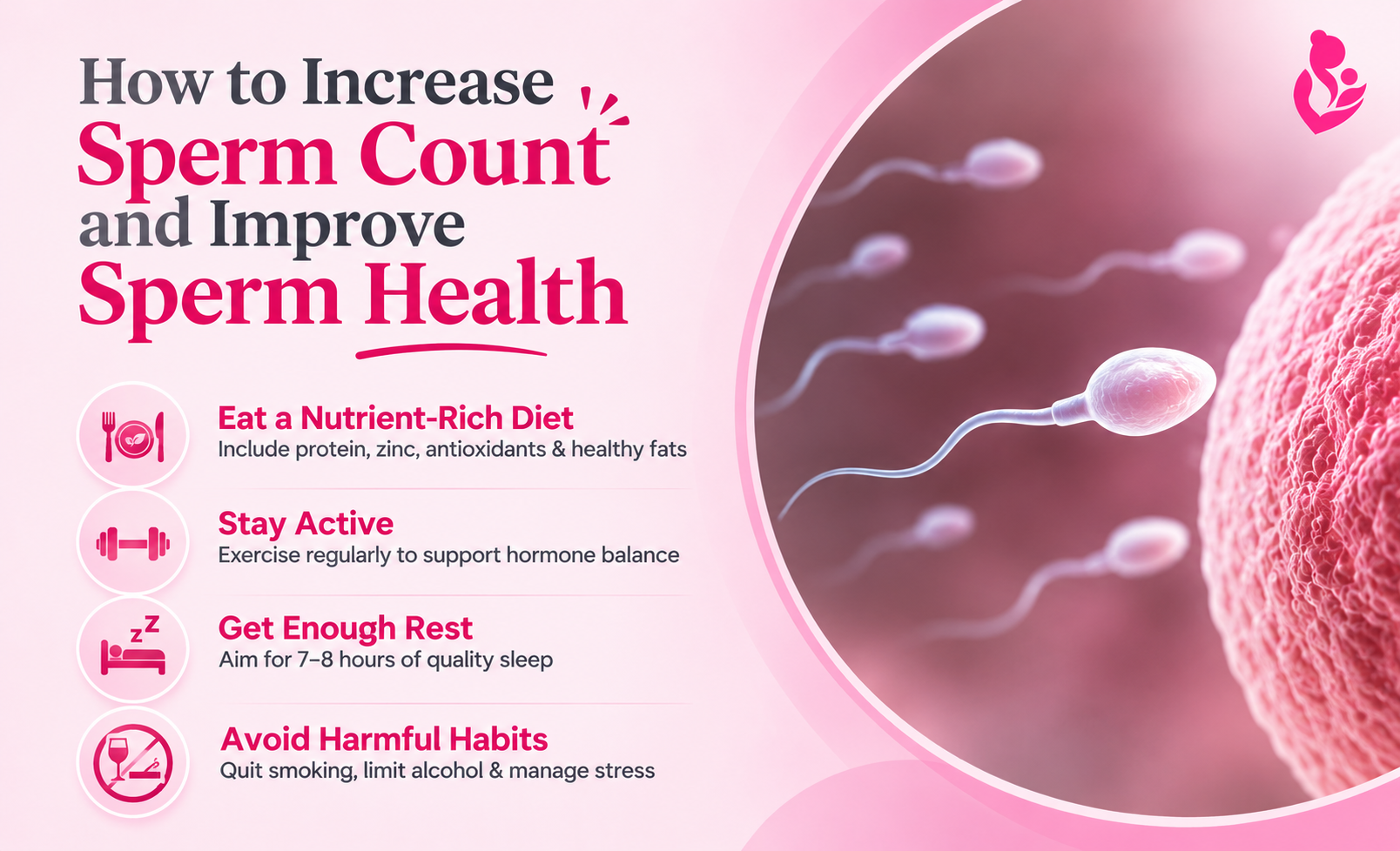
Sperm count and sperm health play an important role in male fertility. Healthy sperm need to be produced in sufficient numbers, move effectively and have a normal shape to support fertilisation. Low sperm count or poor sperm quality can make it difficult to conceive naturally.
Several factors can affect sperm health, including poor diet, smoking, alcohol consumption, obesity, hormonal imbalances, infections and certain medical conditions. Adopting healthy lifestyle habits may support sperm production, but medical treatment may be necessary when an underlying health problem is responsible.
If you and your partner are planning a pregnancy or experiencing difficulty conceiving, Dr. Anju Yadav in Gurugram can help guide you through fertility evaluation and discuss suitable treatment options.
What Is Sperm Count and Why Is It Important?
Sperm count refers to the number of sperm present in a semen sample. It is one of the important parameters evaluated during a male fertility assessment.
However, sperm health involves more than just the number of sperm. Doctors also examine:
- Sperm concentration: Number of sperm present per millilitre of semen.
- Sperm motility: Ability of sperm to move effectively towards the egg.
- Sperm morphology: Shape and structure of sperm.
- Sperm vitality: Percentage of living sperm in the sample.
- Semen volume: Amount of semen released during ejaculation.
According to the WHO’s 2021 reference data, the lower fifth-percentile reference value for sperm concentration is 16 million sperm per millilitre, while total sperm number is 39 million per ejaculate.
What Causes Low Sperm Count in Men?
Low sperm count, medically known as oligozoospermia, can develop due to lifestyle factors, hormonal problems or reproductive health conditions.
Common causes include:
- Hormonal imbalance: Problems involving testosterone or hormones that regulate sperm production may affect sperm count.
- Varicocele: Enlarged veins around the testicles can affect testicular function and sperm production.
- Infections: Certain reproductive tract infections can interfere with sperm production or transport.
- Smoking and alcohol: Regular smoking and excessive alcohol consumption may negatively affect sperm quality.
- Obesity: Excess body weight can influence hormone levels and reproductive health.
- Excessive heat exposure: Frequent exposure to high temperatures around the testicles may affect sperm production.
- Certain medications: Some medicines, chemotherapy and anabolic steroids can interfere with sperm production.
- Genetic conditions: Certain inherited or chromosomal conditions can affect sperm production.
Concerned about low sperm count? Identifying the underlying cause is important before choosing treatment. Consult a fertility specialist for appropriate evaluation of both partners.
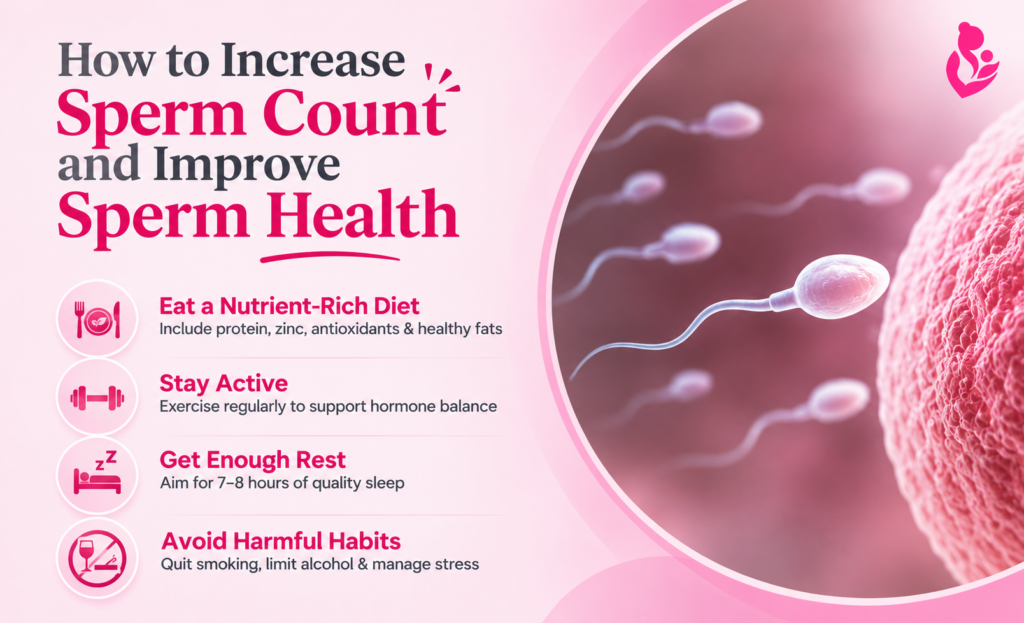
How to Increase Sperm Count Naturally?
Lifestyle changes can support reproductive health and may improve certain sperm parameters. However, results depend on the underlying cause of low sperm count.
1. Eat a Balanced and Nutritious Diet
A nutrient-rich diet provides vitamins, minerals and antioxidants that support overall reproductive health.
Include:
- Fruits and vegetables: Berries, oranges, spinach and broccoli provide antioxidants and essential nutrients.
- Nuts and seeds: Almonds, walnuts, pumpkin seeds and sunflower seeds provide healthy fats and minerals.
- Whole grains: Oats, brown rice and whole-wheat foods provide fibre and essential nutrients.
- Protein-rich foods: Eggs, fish, pulses and lean meats support general health.
- Healthy fats: Include foods containing omega-3 fatty acids, such as fish, walnuts and flaxseeds.
A balanced diet supports overall health, but no single food can guarantee an increase in sperm count.
2. Maintain a Healthy Weight
Being overweight or obese may affect hormone levels and sperm production.
- Follow a balanced, calorie-appropriate diet.
- Include regular physical activity.
- Avoid crash diets and extreme weight-loss practices.
- Maintain a healthy weight through sustainable habits.
3. Exercise Regularly
Moderate physical activity can support metabolic health and healthy hormone function.
- Include activities such as walking, cycling and swimming.
- Add moderate strength training to your routine.
- Avoid excessive exercise that causes prolonged physical stress.
- Maintain consistency rather than following extreme workout plans.
4. Quit Smoking and Limit Alcohol
Smoking and excessive alcohol consumption may negatively affect sperm count, motility and overall reproductive health.
- Stop smoking and avoid tobacco products.
- Limit or avoid alcohol, particularly when planning pregnancy.
- Avoid recreational drugs.
- Do not use anabolic steroids without a medical indication.
5. Avoid Excessive Heat Around the Testicles
The testicles function at a temperature slightly lower than normal body temperature, which supports sperm production.
Consider the following precautions:
- Avoid frequent prolonged exposure to hot tubs and saunas.
- Take breaks if your work involves prolonged sitting.
- Avoid unnecessary heat exposure around the groin.
- Discuss workplace heat exposure with a doctor if relevant.
6. Manage Stress and Get Adequate Sleep
Long-term stress and poor sleep can affect overall health and may influence reproductive hormones.
- Maintain a regular sleep schedule.
- Aim for around 7–9 hours of sleep each night.
- Practise relaxation techniques.
- Maintain a healthy balance between work and physical activity.
Foods That May Support Sperm Health
A balanced diet containing essential nutrients can support normal reproductive function.
| Nutrient | Food Sources |
| Zinc | Pumpkin seeds, beans, nuts and eggs |
| Vitamin C | Oranges, guava, kiwi and amla |
| Vitamin E | Almonds, sunflower seeds and vegetable oils |
| Folate | Spinach, lentils and green vegetables |
| Omega-3 fatty acids | Fatty fish, walnuts and flaxseeds |
| Selenium | Eggs, fish and nuts |
How Long Does It Take to Improve Sperm Count?
Sperm production is a continuous process, but it takes approximately three months for sperm to develop and mature.
Therefore, improvements in lifestyle and treatment may take time to show changes in semen analysis.
- First month: Healthy habits begin supporting overall health.
- Second month: Changes in lifestyle may continue influencing reproductive health.
- Around three months: A repeat semen analysis may help assess changes after a period of lifestyle improvement or treatment.
How Is Low Sperm Count Diagnosed?
A semen analysis is the primary test used to assess sperm count and quality.
It examines:
- Sperm concentration and total sperm number.
- Sperm movement and motility.
- Sperm shape and morphology.
- Semen volume and other characteristics.
Depending on the findings, further investigations may include:
- Hormone tests: To evaluate testosterone, FSH and LH levels.
- Physical examination: To check for varicocele or abnormalities of the reproductive organs.
- Ultrasound: Recommended in selected cases to assess the testicles and reproductive structures.
- Genetic testing: May be advised in men with very low sperm counts or suspected genetic conditions.
Have an abnormal semen analysis report? Do not rely on supplements or home remedies alone. Discuss the results with a fertility specialist to understand the possible cause and appropriate next steps.
Medical Treatment Options for Low Sperm Count
Treatment depends on the underlying cause and the severity of the sperm abnormality.
- Hormonal treatment: Selected hormonal disorders may be treated with medicines prescribed by a specialist.
- Varicocele treatment: Surgery may be considered in suitable men with a clinically significant varicocele and infertility.
- Infection treatment: Confirmed reproductive tract infections may require appropriate medical treatment.
- Medication review: Medicines that affect sperm production may need to be reviewed by the treating doctor.
- Assisted reproductive techniques: Depending on sperm quality and other fertility factors, IUI, IVF or ICSI may be considered.
Can IVF Help Men with Low Sperm Count?
Yes. IVF and ICSI may help couples facing certain types of male-factor infertility.
The treatment depends on sperm count, motility, female partner’s fertility and other clinical findings.
- IVF: Eggs and sperm are combined in a laboratory to achieve fertilisation.
- ICSI: A single sperm is injected directly into a mature egg. It may be recommended in cases of significantly reduced sperm count or poor sperm quality.
- Surgical sperm retrieval: In selected cases where sperm are not present in the semen, sperm may be retrieved from the reproductive tract or testicular tissue for assisted reproduction.
Considering pregnancy with low sperm count? Early fertility assessment can help identify whether lifestyle changes, medical treatment or assisted reproductive techniques may be appropriate. Consult Dr. Anju Yadav in Gurugram to discuss your options.
When Should You Consult a Fertility Specialist?
Consider a fertility consultation if:
- You have received an abnormal semen analysis report.
- You and your partner have been trying to conceive without success.
- You have a history of testicular injury, surgery or infection.
- You have swelling or discomfort around the testicles.
- You have a history of varicocele or hormonal problems.
- You have undergone chemotherapy or other treatments that may affect sperm production.
Male Fertility Consultation with Dr. Anju Yadav in Gurugram
Male fertility is an important part of a couple’s pregnancy journey. Low sperm count, poor motility and abnormal sperm morphology may affect natural conception, but the available options depend on the underlying cause.
Dr. Anju Yadav in Gurugram provides fertility and IVF-related care. Couples experiencing difficulty conceiving can discuss their fertility reports, reproductive health and possible treatment approaches.
A fertility consultation may help with:
- Reviewing semen analysis reports.
- Understanding male and female fertility factors.
- Discussing suitable fertility investigations.
- Exploring treatment options such as IVF and ICSI when indicated.
- Planning the next steps towards pregnancy.
Planning a pregnancy or concerned about sperm health? Book a fertility consultation with Dr. Anju Yadav to discuss your reports and understand the available options.
Visit Dr. Anju Yadav’s official website to learn more.
Frequently Asked Questions (FAQs)
- How can I increase sperm count naturally?
Maintaining a balanced diet, exercising regularly, managing weight, avoiding smoking and limiting alcohol may support sperm health. However, the results depend on the underlying cause.
- Which foods help improve sperm health?
Fruits, vegetables, nuts, seeds, whole grains, eggs and fish provide nutrients that support reproductive health. No single food can guarantee an increase in sperm count.
- How long does it take to improve sperm count?
Sperm development takes approximately three months. Changes in lifestyle or treatment may take around this period to show measurable changes in semen analysis.
- Does smoking affect sperm count?
Yes. Smoking may negatively affect sperm count, movement and quality. Quitting smoking can support overall reproductive health.
- Can exercise improve sperm quality?
Regular moderate exercise may support healthy weight and hormone function, which can benefit reproductive health.
- Does masturbation reduce sperm count permanently?
No. Masturbation does not permanently reduce sperm production or cause infertility. However, the timing of ejaculation can temporarily influence semen volume and sperm concentration in a sample.
- Can supplements increase sperm count?
Some supplements contain nutrients involved in reproductive health, but evidence for routine antioxidant supplementation is mixed. Consult a doctor before taking fertility supplements.
- What is considered a low sperm count?
According to WHO 2021 reference data, sperm concentration below 16 million per millilitre is below the lower fifth-percentile reference value. A complete fertility assessment is needed to interpret the result.
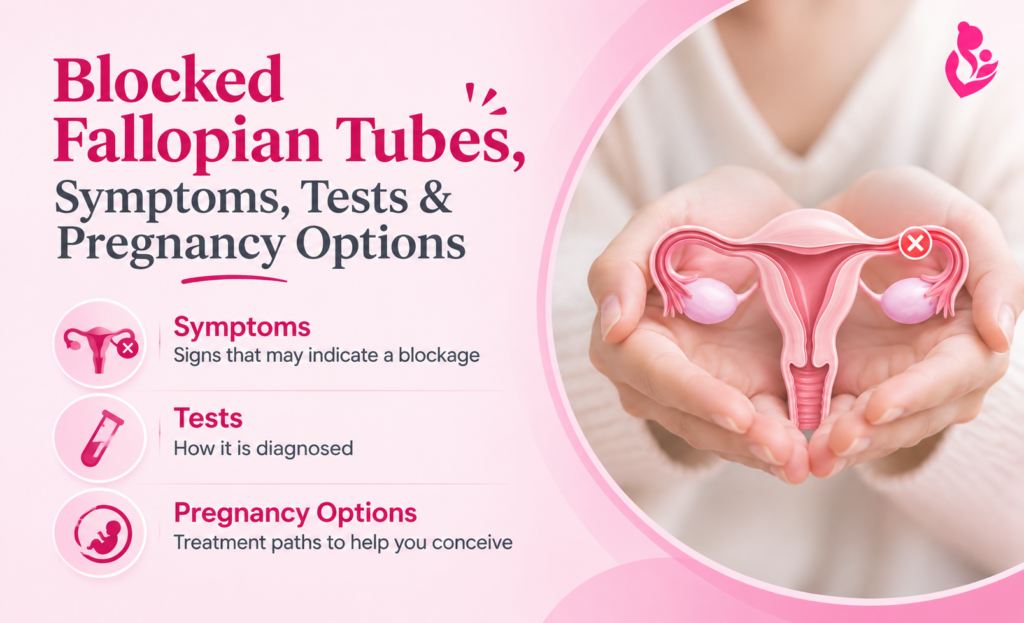
Read More: Blocked Fallopian Tubes: Symptoms, Tests & Pregnancy Options