
Embryo freezing is a fertility preservation technique in which fertilised embryos are carefully frozen and stored for future use. After eggs are fertilised with sperm through IVF, the resulting embryos are preserved at extremely low temperatures using advanced vitrification technology. These embryos can later be thawed and transferred into the uterus when the couple is ready to achieve pregnancy.
With the advancement of fertility treatment in India, embryo freezing has helped many couples plan parenthood at the right time. If you are considering delaying pregnancy for medical or personal reasons, embryo freezing can be a safe and reliable option.
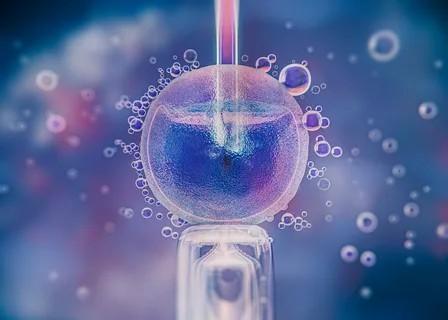
Embryo freezing, also known as embryo cryopreservation, is a process in which a fertilised egg (embryo) is preserved for future pregnancy.
The steps include:
These embryos remain safely stored until you decide to proceed with embryo transfer.
Embryo freezing is usually recommended for:
Patients with high-risk pregnancy concerns who wish to plan safely
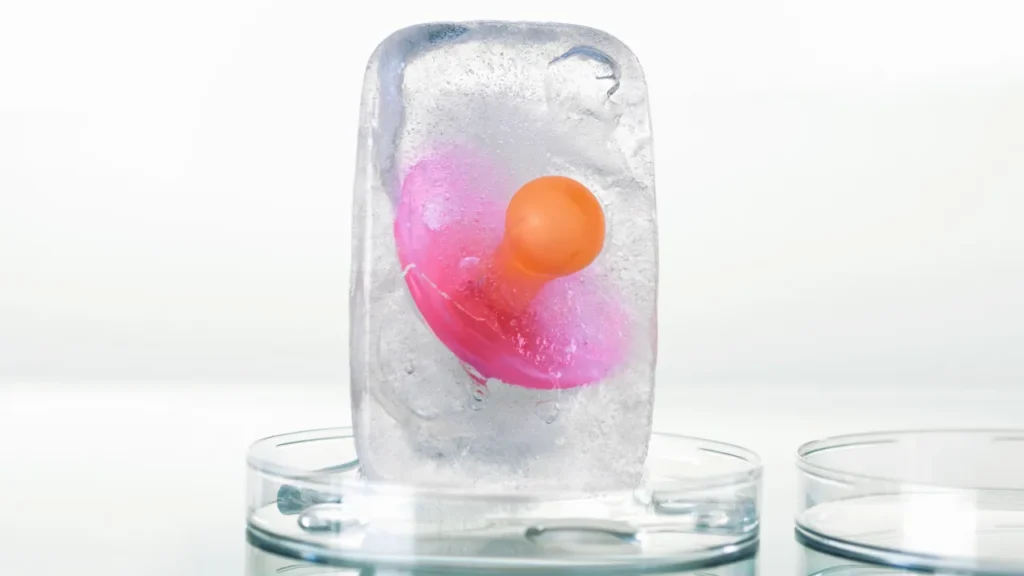

The key difference lies in fertilisation.
Embryo freezing generally provides better predictability because fertilisation has already occurred, and embryo quality can be assessed before freezing.
Here is a quick overview of the steps involved:
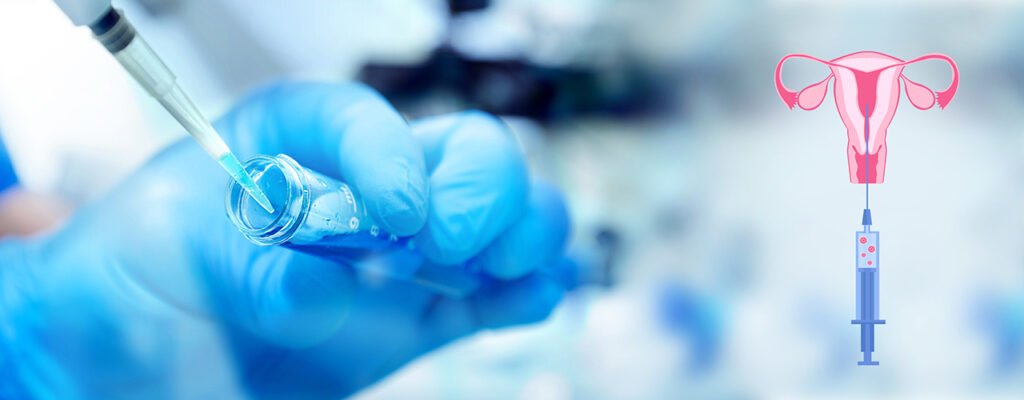
Doctors perform necessary investigations to assess fertility health.
These may include:

Fertility medications are given to stimulate the ovaries to produce multiple eggs.
Regular monitoring is done through:
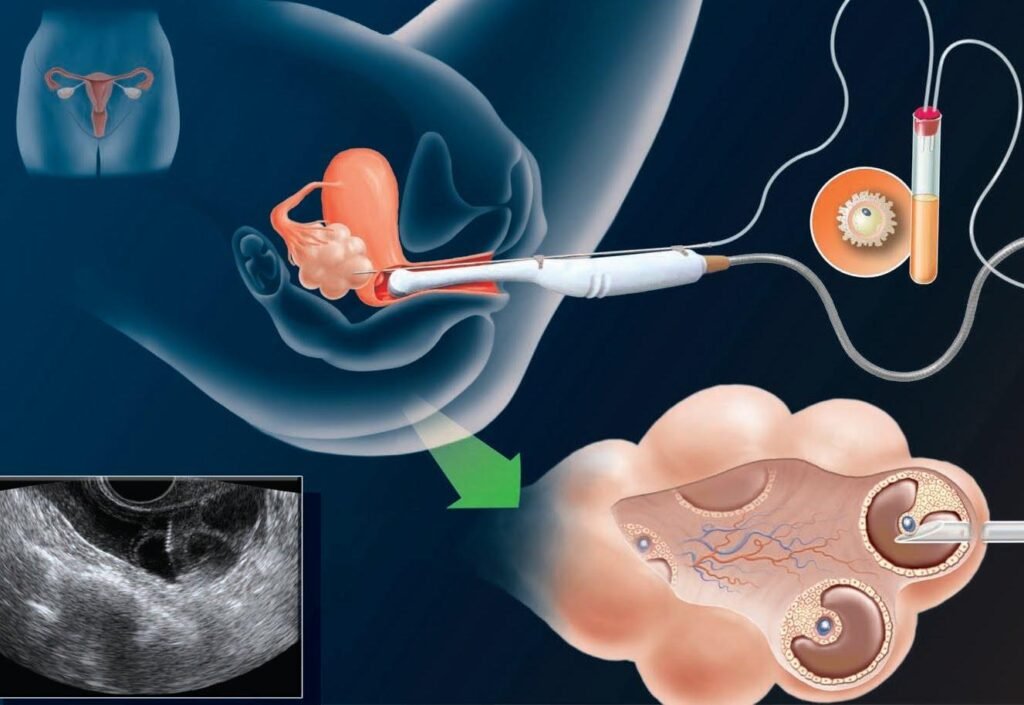
A minor procedure is performed to collect mature eggs from the ovaries.
It is:
Done under mild anaesthesia
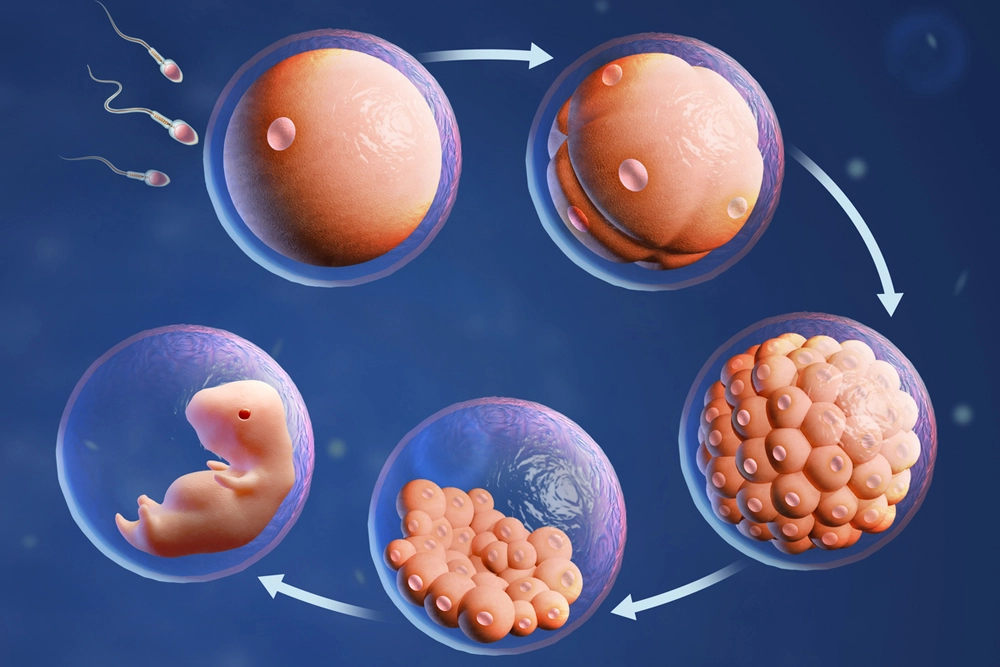
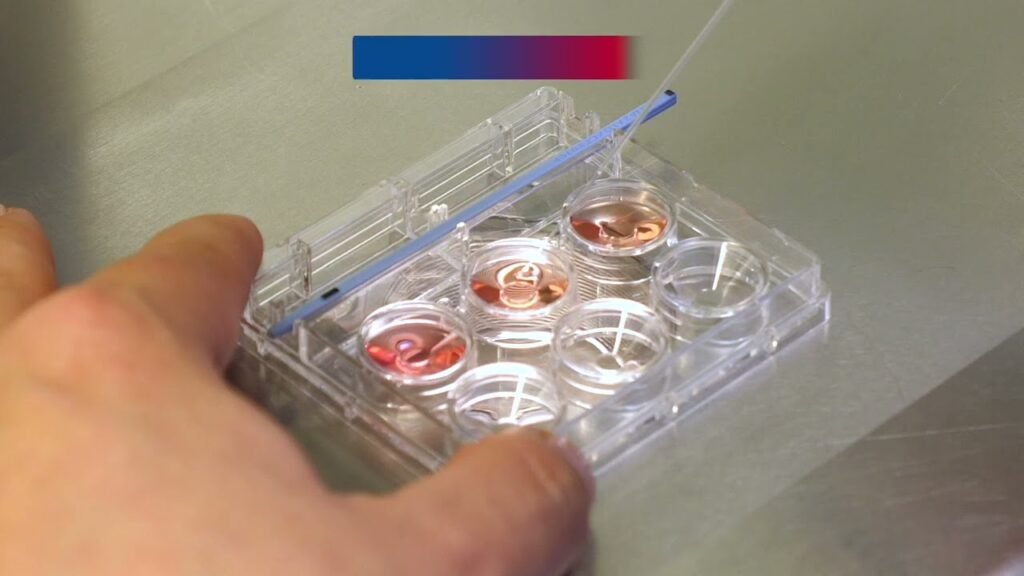
The retrieved eggs are fertilised with sperm in the laboratory using IVF or ICSI.
The embryos are monitored for healthy growth for 3–5 days.
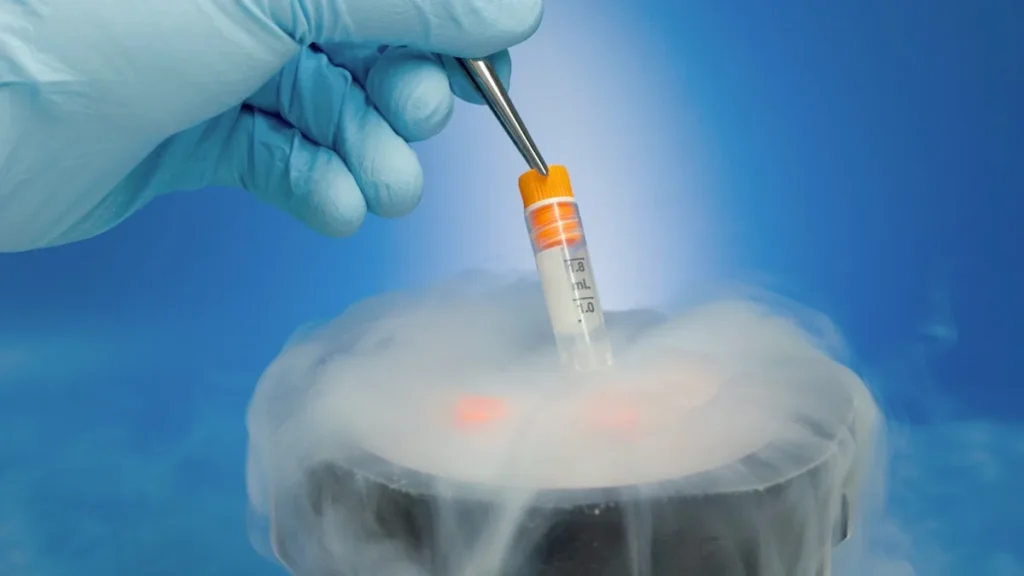
Healthy embryos are frozen using advanced vitrification technology.
This method:
Embryos can be safely stored for several years under regulated laboratory conditions as per ART guidelines in India.
You can choose to:
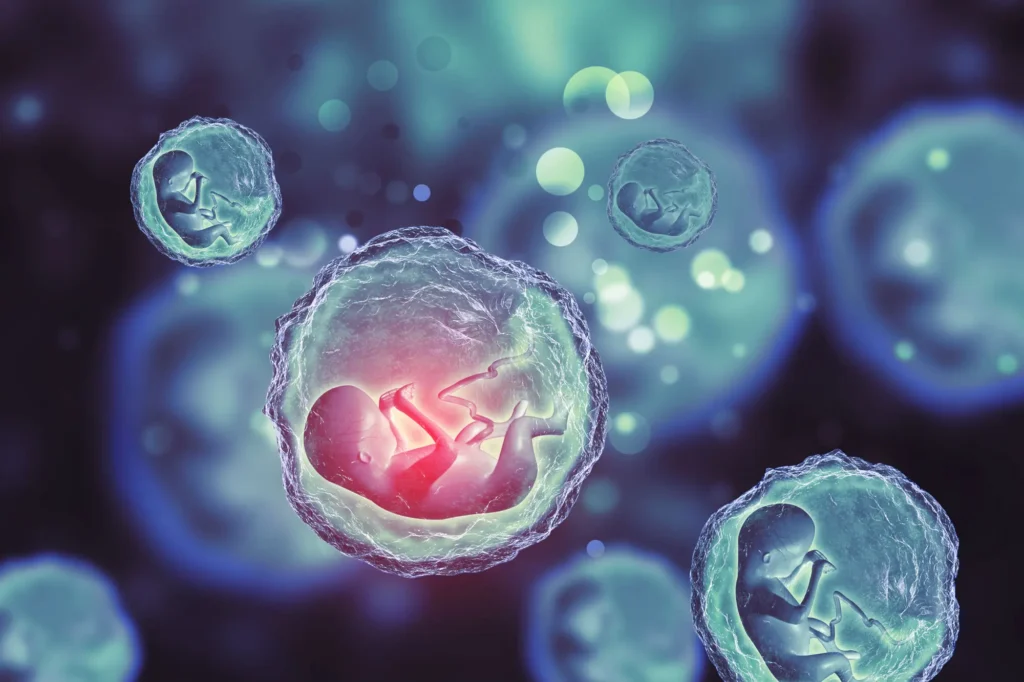
Embryo freezing is a well-established and safe procedure.
Modern freezing techniques offer:
Success depends on:
Younger age at freezing generally leads to higher success rates.

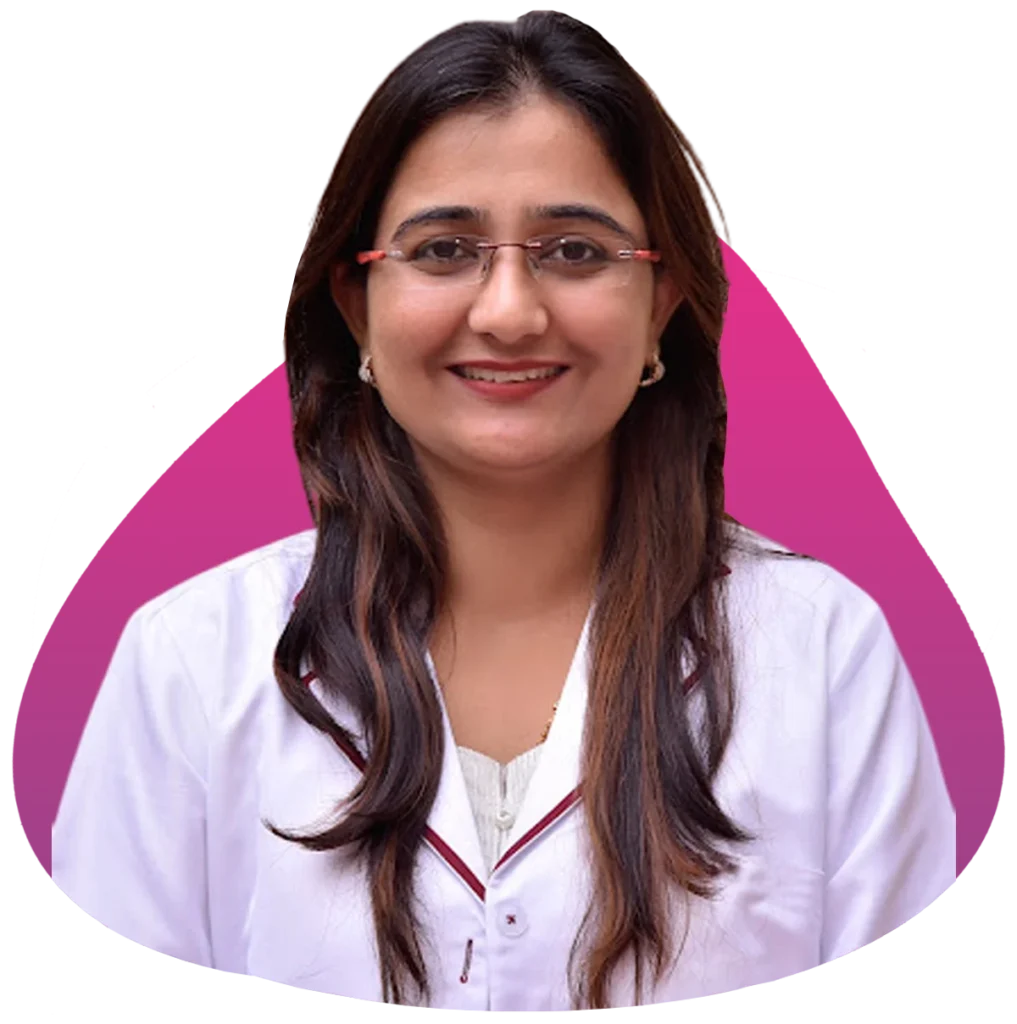
Choosing the right fertility specialist plays a crucial role in the success of embryo freezing. With over 17 years of experience in reproductive medicine, Dr. Anju Yadav combines medical expertise with personalised patient care to ensure safe and effective fertility preservation.
An experienced fertility specialist like Dr. Anju Yadav ensures:
EXCELLENTTrustindex verifies that the original source of the review is Google. I would like to sincerely thank Dr Anju Yadav for her outstanding care and expertise. She was extremely supportive, always available to respond, and maintained a positive approach throughout my journey. I’m grateful to have achieved results in the first attempt under her care.Posted on GoogleTrustindex verifies that the original source of the review is Google. Excellent doc, must visitPosted on GoogleTrustindex verifies that the original source of the review is Google. Dr. Anju yadav is one of the most genuine IVF doctor in gurgaon. She doesn't rush and gives you complete attention.Posted on GoogleTrustindex verifies that the original source of the review is Google. We are extremely grateful to Dr. Anju (at Cloud Nine hospital, Sector 47, Gurgaon) for guiding us through our IVF journey. Her calm, warm, and reassuring nature made us feel comfortable from day one. She patiently listened to all our queries and helped us make informed decisions at every step. We began our IVF journey in August 2023 while dealing with AMA. After an initial failed cycle and a very discouraging experience elsewhere, we returned to Dr. Anju—and that was the best decision we made. She never demotivated us, always encouraged positivity, and was almost always just a call or message away. Despite AMA being the main challenge in our journey, she never let us lose hope and never pushed us toward easier or less preferred options like donor eggs, respecting our choices throughout. With her guidance and support, we finally conceived and are now blessed with a healthy baby boy. We highly recommend Dr. Anju to anyone looking for compassionate, knowledgeable, and patient-centered IVF care. We will forever be thankful to Dr. Anju for her support and compassion. We highly recommend her to anyone seeking IVF treatment and looking for a doctor who is compassionate, knowledgeable and truly cares about her patients.Posted on GoogleTrustindex verifies that the original source of the review is Google. I had a wonderful experience with Dr. Anju. She remembers my full medical history, which makes every appointment smooth and personalised. She is incredibly polite, always available, and was consistently supportive throughout my pregnancy. Her guidance at every stage was clear, reassuring, and truly helpful. I’m very grateful for her care and highly recommend her to anyone looking for a dependable and compassionate gynaecologist.Posted on GoogleTrustindex verifies that the original source of the review is Google. Dr Anju Yadav is what dream doctors are made of. She is cordial, helpful, engaging and extremely professional. Her calm demeanour makes the journey to and of pregnancy peaceful, and stress-free. Dr Anju is very thorough and gives a patient hearing to the patient and also takes out time to educate them on what’s happening and what’s expected in future. Thank you, Dr Anju (if you’re reading this) for being an absolutely amazing doctor and above all, a great human beingPosted on GoogleTrustindex verifies that the original source of the review is Google. Dr. Anju Yadav is an absolute gem! 🙏 Her expertise and compassionate approach made all the difference in our fertility journey. We felt heard, understood, and supported throughout the process. Cloudnine hospital is top-notch, and her team's professionalism is impressive. If you're looking for a fertility specialist who truly cares, Dr. Yadav is the one! 🌟 Highly recommend!Posted on GoogleTrustindex verifies that the original source of the review is Google. Dr.Anju Yadav is a wonderful doctor, she listen carefully and give honest advice about fertility treatments, she is the most genuine doctor I have met in GurgaonPosted on GoogleTrustindex verifies that the original source of the review is Google. Dr. Anju Yadav is a very experienced gynecologist in gurgaon. She guided us from conception to delivery like family..Posted on GoogleTrustindex verifies that the original source of the review is Google. Dr. Anju yadav is the best fertility doctor in gurgaon. She helped us conceive after years of trying and supported us through every step with care and patience.
If you are planning your parenthood journey thoughtfully and wish to preserve your fertility options, consult a fertility specialist today.
Embryo freezing allows you to make decisions at the right time — without compromising your future chances of pregnancy.