
Endometrial Receptivity Analysis
About Endometrial Receptivity Analysis (ERA)
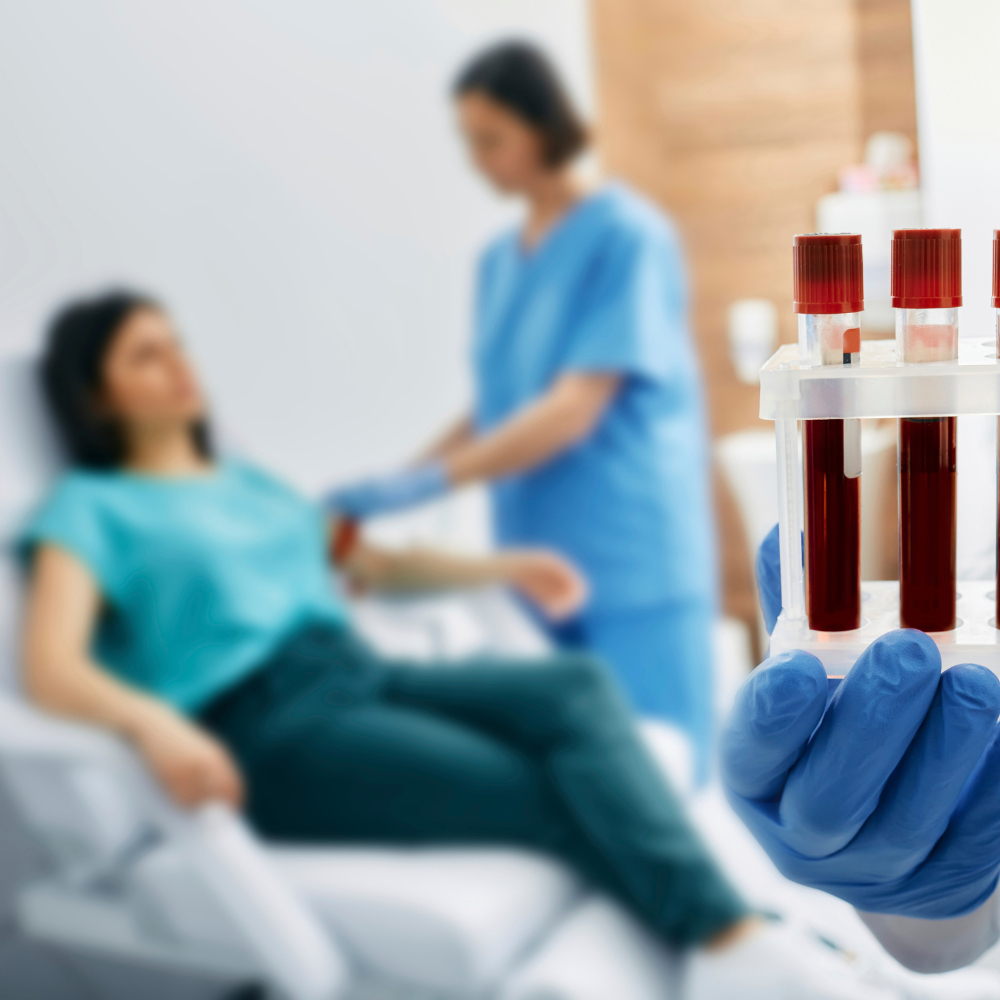
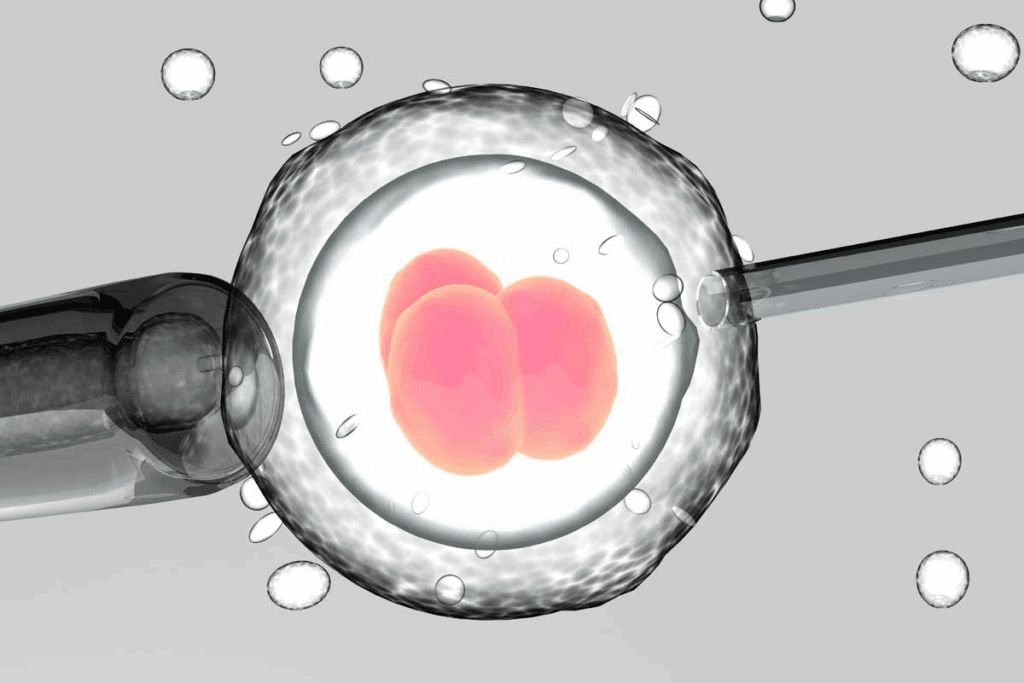
ERA stands for Endometrial Receptivity Analysis. It is a generic test to know when it is most suitable to transfer an embryo. A general IVF timeline might not be appropriate for every woman because each woman’s physiology is different. ERA greatly increases the likelihood of conception by enabling fertility specialists to determine the optimal timing for implantation.
Why is the ERA Test Done?
The ERA test is done to help doctors find the ideal time to place an embryo into the uterus. Finding the best time is important to increase the chances of pregnancy. It is mostly recommended for women who have had multiple IVF failures, even after having a healthy embryo. By using the ERA test, doctors can modify the time of embryo transfer to increase the likelihood of a healthy pregnancy.
How is ERA done?

Prepare for embryo transfer

Endometrial Biopsy

Genetic Analysis
Results and Recommendations

Optimal Transfer Timing
Significance of Endometrial Receptivity Analysis
- Optimizes in vitro fertilization (IVF) outcomes
- Tells about the right time for embryo transfer
- Increases the chances of a successful pregnancy
- Assist doctors in making informed decisions

Is ERA Treatment Right for Me?
Endometrial receptivity analysis (ERA) is recommended for patients who have faced multiple pregnancy failures or have a history of unsuccessful embryo implantation. Often, despite a spate of favourable parameters like high-quality embryos, a healthy uterus, and sufficient endometrial thickness, the implantation fails to occur due to the transfer of the embryo at the wrong time. Additionally, those whose endometrial thickness varies from cycle to cycle and does not always meet the 7 millimeter standard. For these people, ERA treatment is recommended.
Success Rate of Endometrial Receptivity Analysis (ERA)
In women who have experienced repeated implantation failures, the use of ERA significantly increases the success rate of embryo implantation by up to 80% . In patients with a favourable prognosis, ERA increases IVF pregnancy outcomes and the greatest improvement is observed in implantation.
For more details about the ERA test get in touch with Dr. Anju Yadav! She has an experience of more than 17 years in infertility treatment, with her immense knowledge she has helped various people in conceiving a child.
EXCELLENTTrustindex verifies that the original source of the review is Google. I would like to sincerely thank Dr Anju Yadav for her outstanding care and expertise. She was extremely supportive, always available to respond, and maintained a positive approach throughout my journey. I’m grateful to have achieved results in the first attempt under her care.Posted on GoogleTrustindex verifies that the original source of the review is Google. Excellent doc, must visitPosted on GoogleTrustindex verifies that the original source of the review is Google. Dr. Anju yadav is one of the most genuine IVF doctor in gurgaon. She doesn't rush and gives you complete attention.Posted on GoogleTrustindex verifies that the original source of the review is Google. We are extremely grateful to Dr. Anju (at Cloud Nine hospital, Sector 47, Gurgaon) for guiding us through our IVF journey. Her calm, warm, and reassuring nature made us feel comfortable from day one. She patiently listened to all our queries and helped us make informed decisions at every step. We began our IVF journey in August 2023 while dealing with AMA. After an initial failed cycle and a very discouraging experience elsewhere, we returned to Dr. Anju—and that was the best decision we made. She never demotivated us, always encouraged positivity, and was almost always just a call or message away. Despite AMA being the main challenge in our journey, she never let us lose hope and never pushed us toward easier or less preferred options like donor eggs, respecting our choices throughout. With her guidance and support, we finally conceived and are now blessed with a healthy baby boy. We highly recommend Dr. Anju to anyone looking for compassionate, knowledgeable, and patient-centered IVF care. We will forever be thankful to Dr. Anju for her support and compassion. We highly recommend her to anyone seeking IVF treatment and looking for a doctor who is compassionate, knowledgeable and truly cares about her patients.Posted on GoogleTrustindex verifies that the original source of the review is Google. I had a wonderful experience with Dr. Anju. She remembers my full medical history, which makes every appointment smooth and personalised. She is incredibly polite, always available, and was consistently supportive throughout my pregnancy. Her guidance at every stage was clear, reassuring, and truly helpful. I’m very grateful for her care and highly recommend her to anyone looking for a dependable and compassionate gynaecologist.Posted on GoogleTrustindex verifies that the original source of the review is Google. Dr Anju Yadav is what dream doctors are made of. She is cordial, helpful, engaging and extremely professional. Her calm demeanour makes the journey to and of pregnancy peaceful, and stress-free. Dr Anju is very thorough and gives a patient hearing to the patient and also takes out time to educate them on what’s happening and what’s expected in future. Thank you, Dr Anju (if you’re reading this) for being an absolutely amazing doctor and above all, a great human beingPosted on GoogleTrustindex verifies that the original source of the review is Google. Dr. Anju Yadav is an absolute gem! 🙏 Her expertise and compassionate approach made all the difference in our fertility journey. We felt heard, understood, and supported throughout the process. Cloudnine hospital is top-notch, and her team's professionalism is impressive. If you're looking for a fertility specialist who truly cares, Dr. Yadav is the one! 🌟 Highly recommend!Posted on GoogleTrustindex verifies that the original source of the review is Google. Dr.Anju Yadav is a wonderful doctor, she listen carefully and give honest advice about fertility treatments, she is the most genuine doctor I have met in GurgaonPosted on GoogleTrustindex verifies that the original source of the review is Google. Dr. Anju Yadav is a very experienced gynecologist in gurgaon. She guided us from conception to delivery like family..Posted on GoogleTrustindex verifies that the original source of the review is Google. Dr. Anju yadav is the best fertility doctor in gurgaon. She helped us conceive after years of trying and supported us through every step with care and patience.